

Share

Journal Information
Most often read
8924
Shortcuts to degradation: environmental consequences of Brazil’s general environmental licensing law
Geraldo Willson Fernandes, Gabriel Arvelino de Paula, Mariana G. Bender, Helena de Godoy Bergallo, Ronaldo Christofoletti, Guarino Rinaldi Colli, Bruce Dickinson, Jose Alexandre Diniz Filho, ... Ricardo Augusto Gorne Viani
Perspectives in Ecology and Conservation. 2026;24:48-52
8924
Full text access
3971
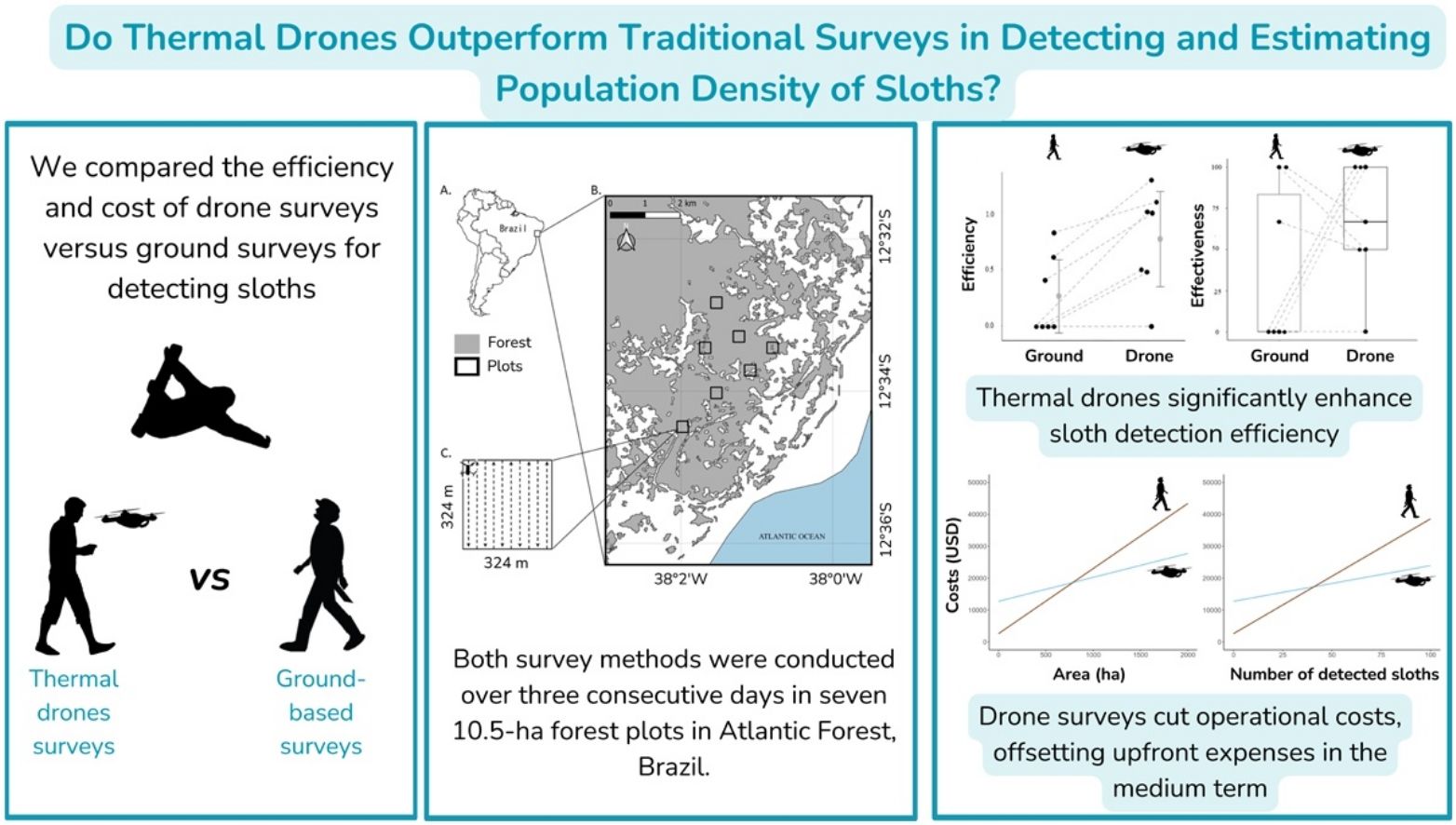
Do thermal drones outperform traditional surveys in detecting and estimating population density of sloths?
Gabriel Nascimento dos Santos, Camila Righetto Cassano, Gabriela Alves-Ferreira, Luciana Franco Veríssimo, Gastón Andrés Fernandez Giné
Perspectives in Ecology and Conservation. 2026;24:62-9
3971
Highlights
- •
Thermal drones significantly enhance sloth detection efficiency.
- •
Drones detect sloths 3× faster and in twice as many sites as ground surveys.
- •
Drone surveys cut operational costs, offsetting upfront expenses in the medium term.
- •
Combining drones with ground surveys is recommended for accurate density estimates.
Full text access
3523
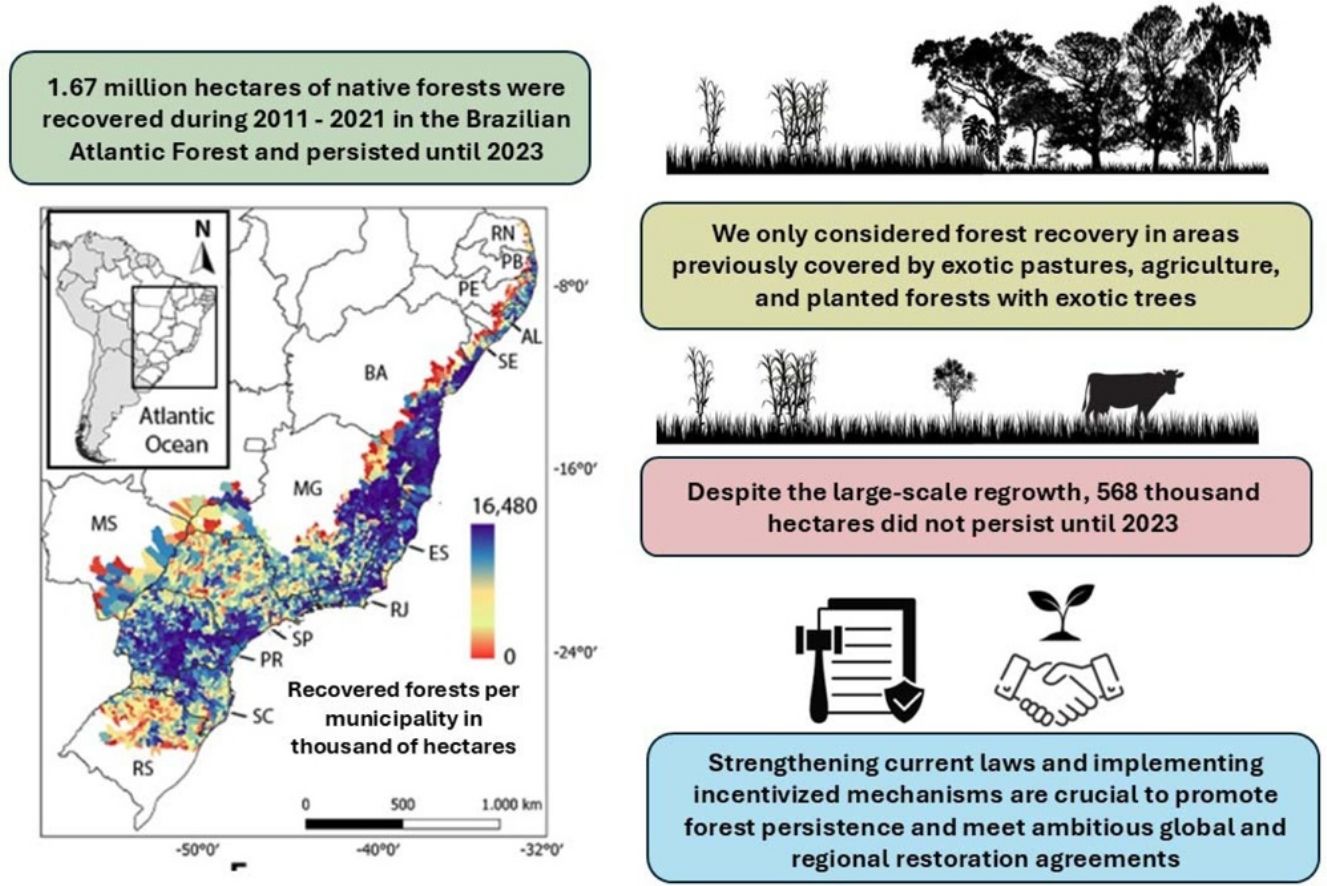
A long road to resilience: Large-scale forest recovery but limited persistence in the Atlantic Forest
Vinicius Tonetti, Marcos Reis Rosa, Bárbara Rodrigues dos Santos Paes, Alex Fernando Mendes, Carlos Delano Cardoso de Oliveira, Paulo Guilherme Molin, Julio Ricardo Caetano Tymus, Amanda Augusta Fernandes, ... Leandro Reverberi-Tambosi
Perspectives in Ecology and Conservation. 2026;24:23-8
3523
Highlights
- •
1.67 million hectares of native forest were recovered in the Atlantic Forest between 2011 and 2021 and persisted until 2023.
- •
568 thousand hectares of recovered forests in the study period did not persist until 2023.
- •
Strengthening secondary forest protection is urgent to ensure their long-term persistence.
Full text access
3477
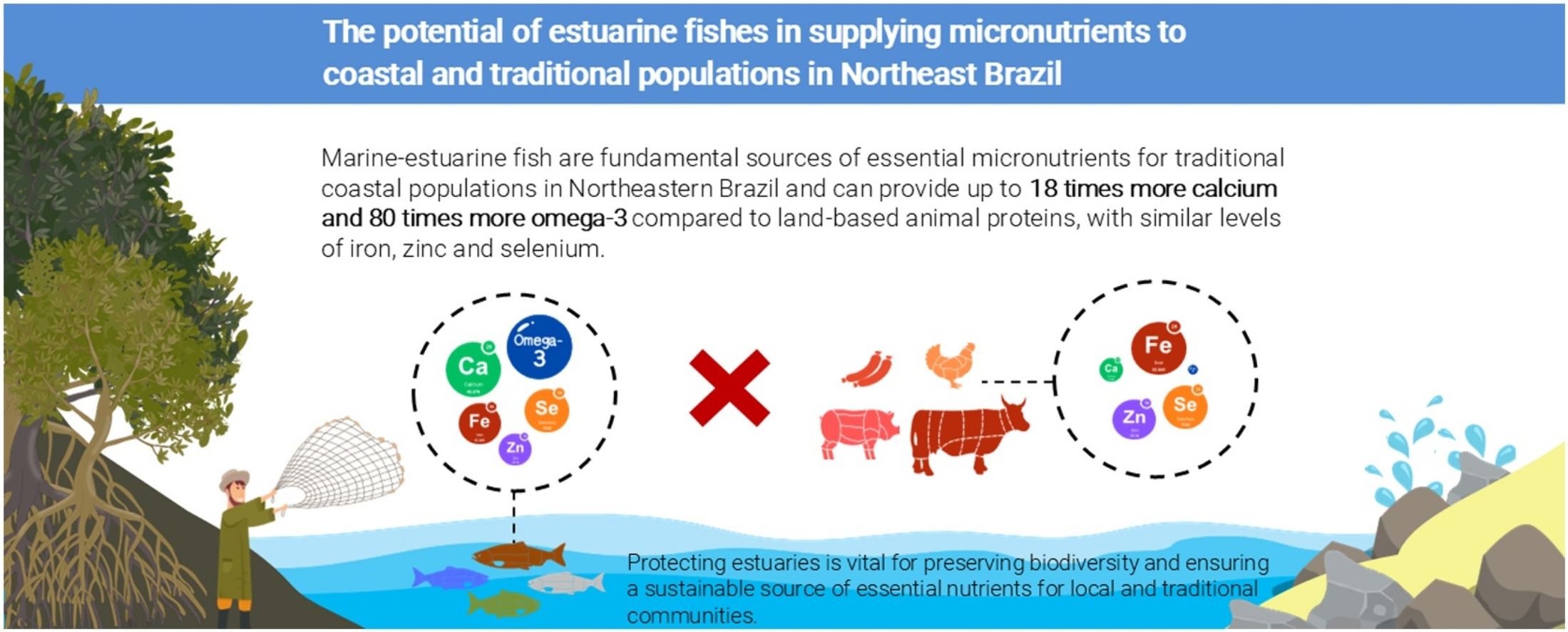
The potential of estuarine fishes in supplying micronutrients to coastal and traditional populations in Northeast Brazil
Fabricio C. Albuquerque, Mariana G. Bender, Guilherme O. Longo
Perspectives in Ecology and Conservation. 2026;24:53-61
3477
Highlights
- •
Estuaries are crucial to sustaining a diverse and rich nutrient source for people.
- •
Estuarine fishes can support balanced diets for traditional groups in Northeast Brazil.
- •
Estuarine fishes can offer high quantities of calcium, omega-3, and selenium.
- •
Conserving estuaries promotes biodiverse and nutritious food for coastal populations.
Full text access
2698
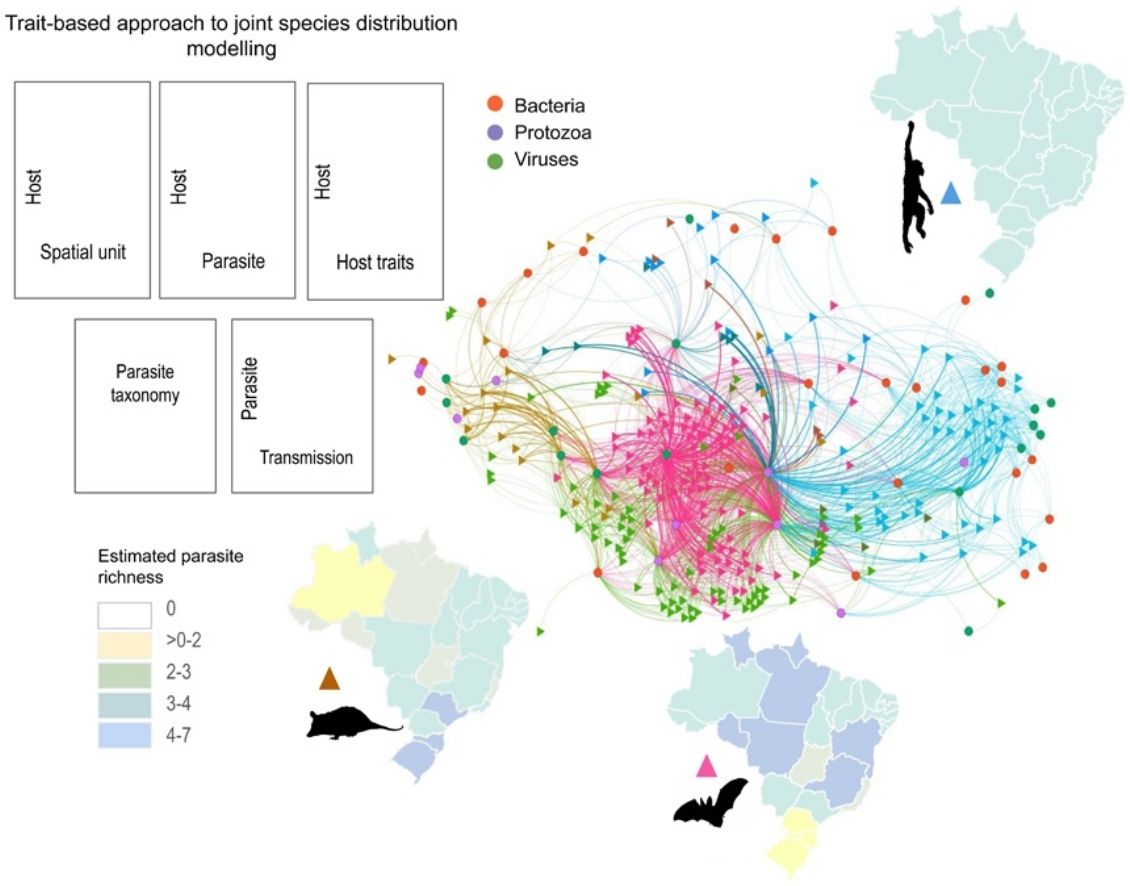
Trait profiles and taxonomy predict zoonotic microparasite occurrences on potential hosts and geographic distribution
Gabriella Lima Tabet Cruz, Gisele R. Winck, Cecilia Siliansky de Andreazzi
Perspectives in Ecology and Conservation. 2026;24:70-8
2698
Highlights
- •
Host traits provide opportunities for parasite occurrence.
- •
Mammal trait profiles affect the distribution of zoonotic microparasites.
- •
Body mass is a key trait influencing zoonotic microparasite richness.
- •
Zoonotic microparasite richness is highest in primates, marsupials, and bats.
- •
Predictive models inform One Health initiatives and wildlife health surveillance.
Full text access
2671
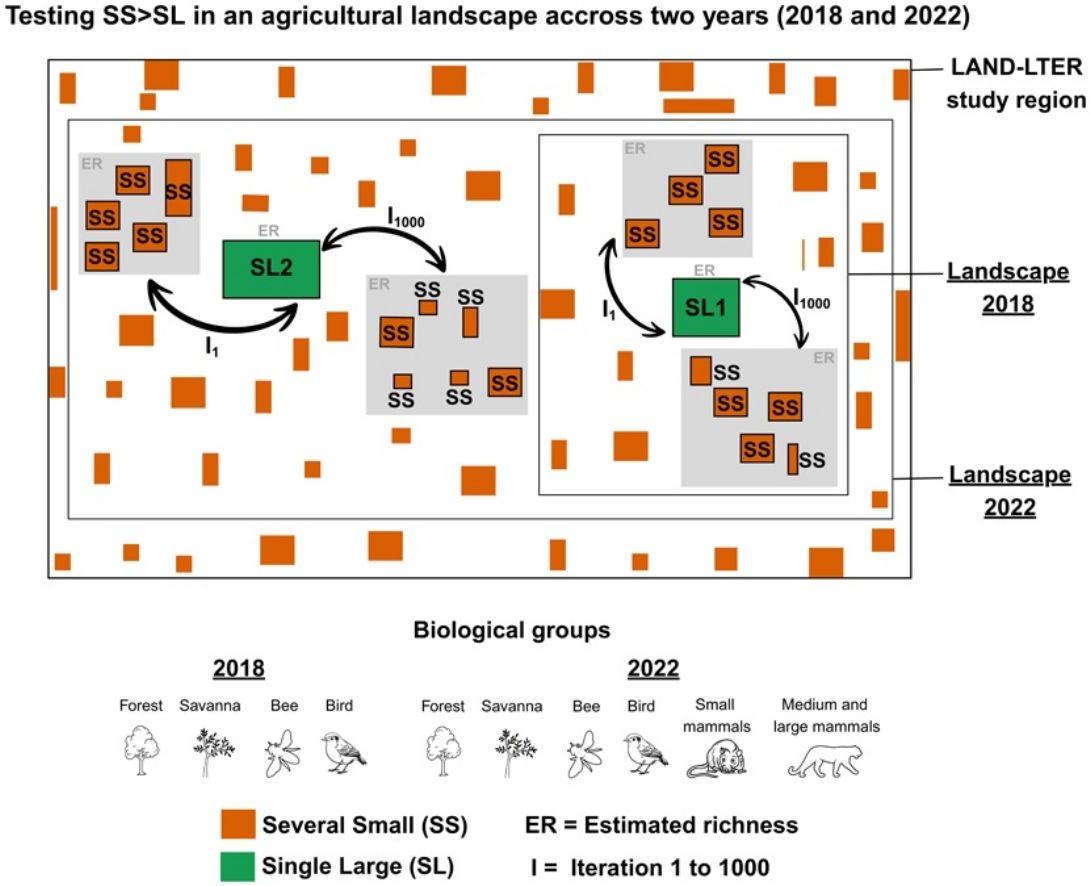
Several small fragments can have higher species richness than a single large: The SLOSS debate in agricultural landscapes
Juliana Silveira dos Santos, Edgar L. de Lima, Priscila Silveira, Beryl E. Lutz, Karen Borges-Almeida, Wanderson Teles, André L. Teixeira, Fernanda G. Sousa, ... Rosane G. Collevatti
Perspectives in Ecology and Conservation. 2026;24:314-22
2671
Highlights
- •
In intensive farming landscapes SS had higher or equal γ-diversity than SL for most taxa.
- •
We found no differences in beta diversity between SS and SL patches in agricultural landscapes.
- •
Together, SL and SS play a leading role in different landscapes, and both SL and SS need to be conserved.
Full text access
2656
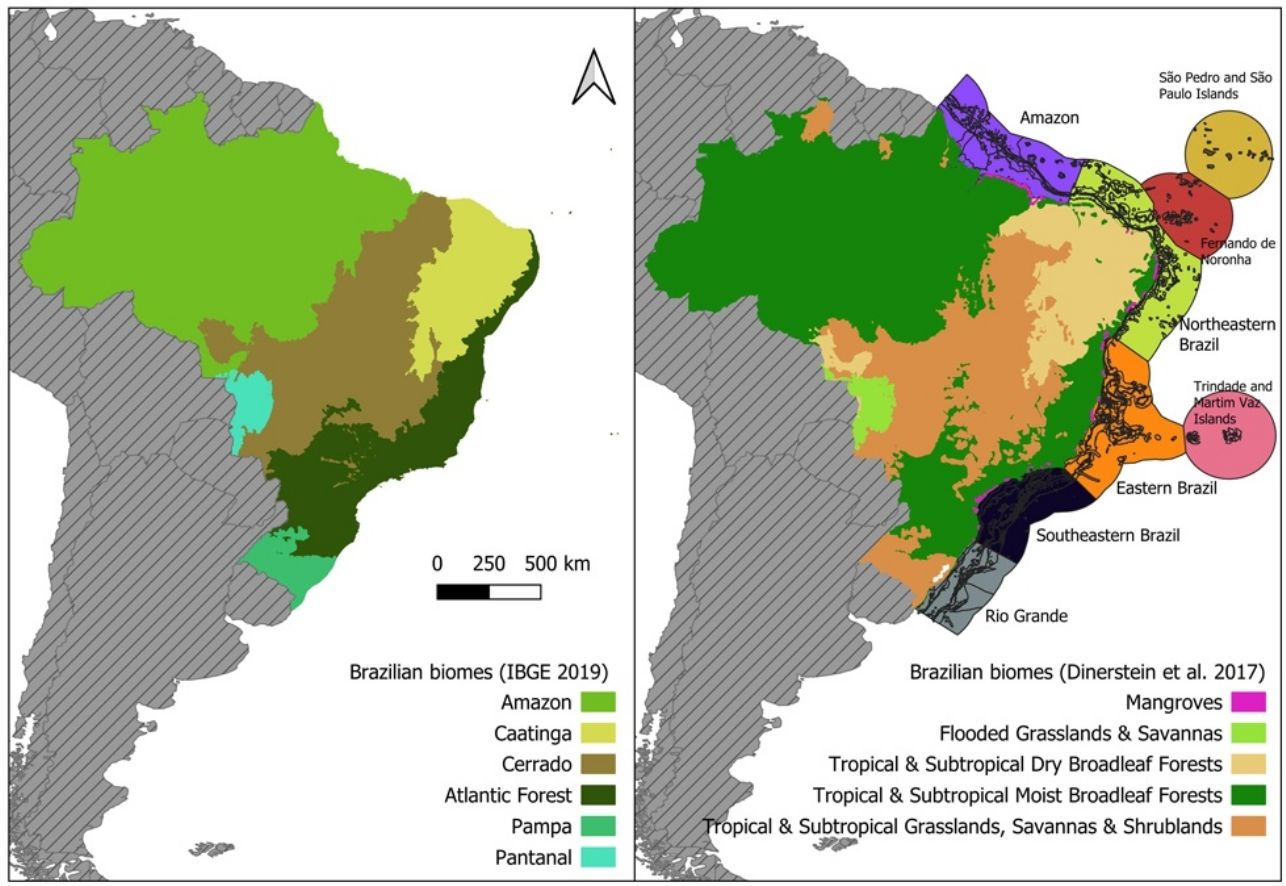
Beyond Boundaries: Rethinking Biomes Interdependencies in Conservation Policies
Fabio de Oliveira Roque, Charlotte Ndiribe, Gerhard E. Overbeck, José Henrique F. Mello, Mariana G. Bender, Helena G. Bergallo, Ronaldo Christofoletti, Guarino R. Colli, ... G. Wilson Fernandes
Perspectives in Ecology and Conservation. 2026;24:34-9
2656
Highlights
- •
Current policies isolate biomes, overlooking crucial ecological interdependencies
- •
Biomes are linked by cross-boundary processes like water cycles and migrations
- •
Isolated biome approaches limit conservation success and ecological understanding
- •
An integrated strategy recognizing biome links is needed for robust conservation
Full text access
2451
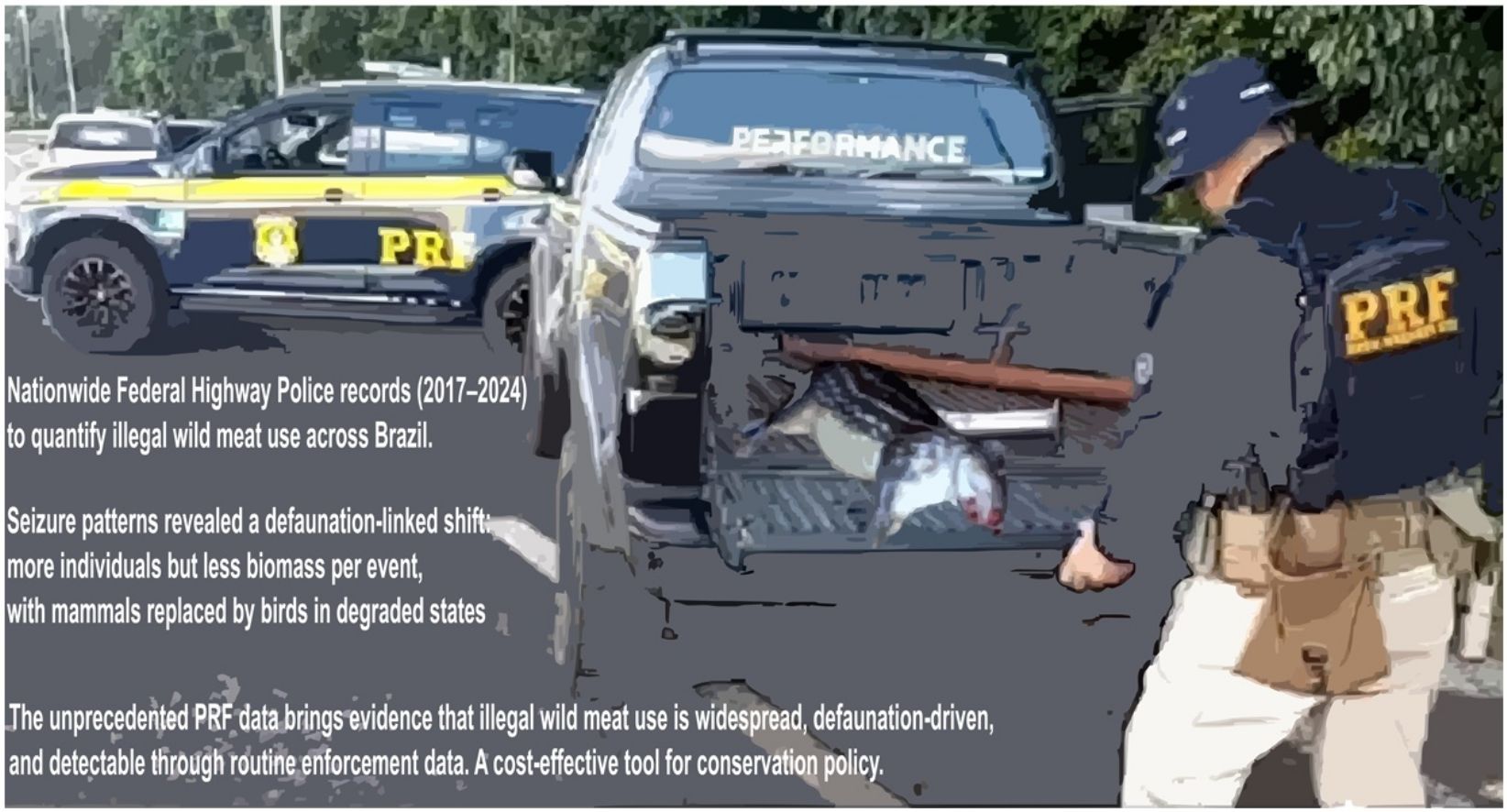
Roadway seizures reveal widespread illegal wild meat use and faunal downsizing in Brazil
José R. Wendt-Oliveira, Mário M. Tagliari, Hani R. El Bizri, Carla Letícia Gediel Rivero-Wendt, Neiva Maria Robaldo Guedes, Juliano A. Bogoni
Perspectives in Ecology and Conservation. 2026;24:120-8
2451
Highlights
- •
Nationwide PRF seizures reveal 9,479 animals and 9.3 t of wild meat (2017–2024).
- •
Birds dominate in Caatinga and Pampa; mammals supply most biomass overall.
- •
Seizures reflect defaunation: more individuals but lower biomass in degraded states.
- •
Mammal decline linked to substitution by birds; reptiles show distinct transport bias.
- •
Roadway seizure data offers a cost-effective barometer of illegal wild meat use.
Full text access
2425
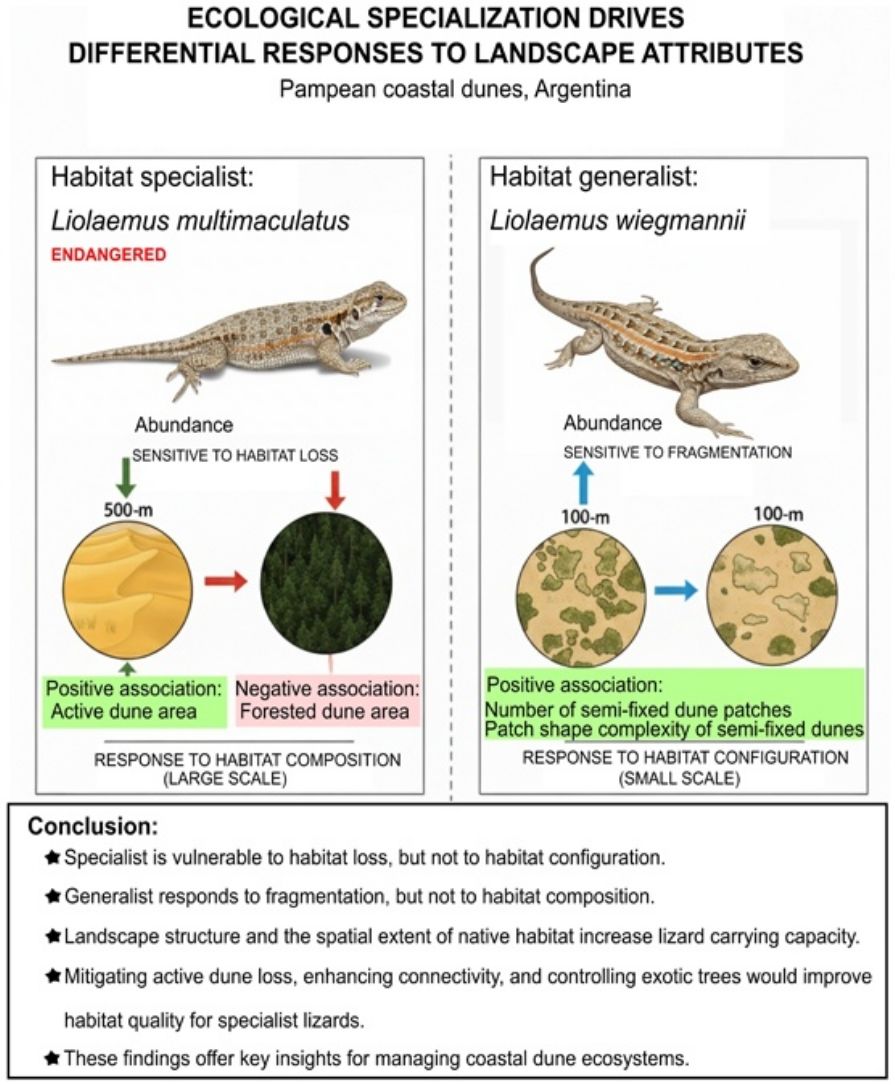
Habitat specialization drives differential responses to habitat loss and fragmentation across multiple spatial scales in sympatric lizards
Juan E. Dajil, Carolina Block, Laura E. Vega, Oscar A. Stellatelli
Perspectives in Ecology and Conservation. 2026;24:13-22
2425
Highlights
- •
Habitat loss negatively impacts the specialist lizard Liolaemus multimaculatus.
- •
Specialist lizard abundance responds to landscape composition at multiple scales.
- •
The generalist lizard Liolaemus wiegmannii shows tolerance to fragmented habitats.
- •
Small-scale patch complexity drives generalist lizard abundance.
- •
Exotic tree encroachment degrades specialist lizard habitat quality.
Full text access
2396
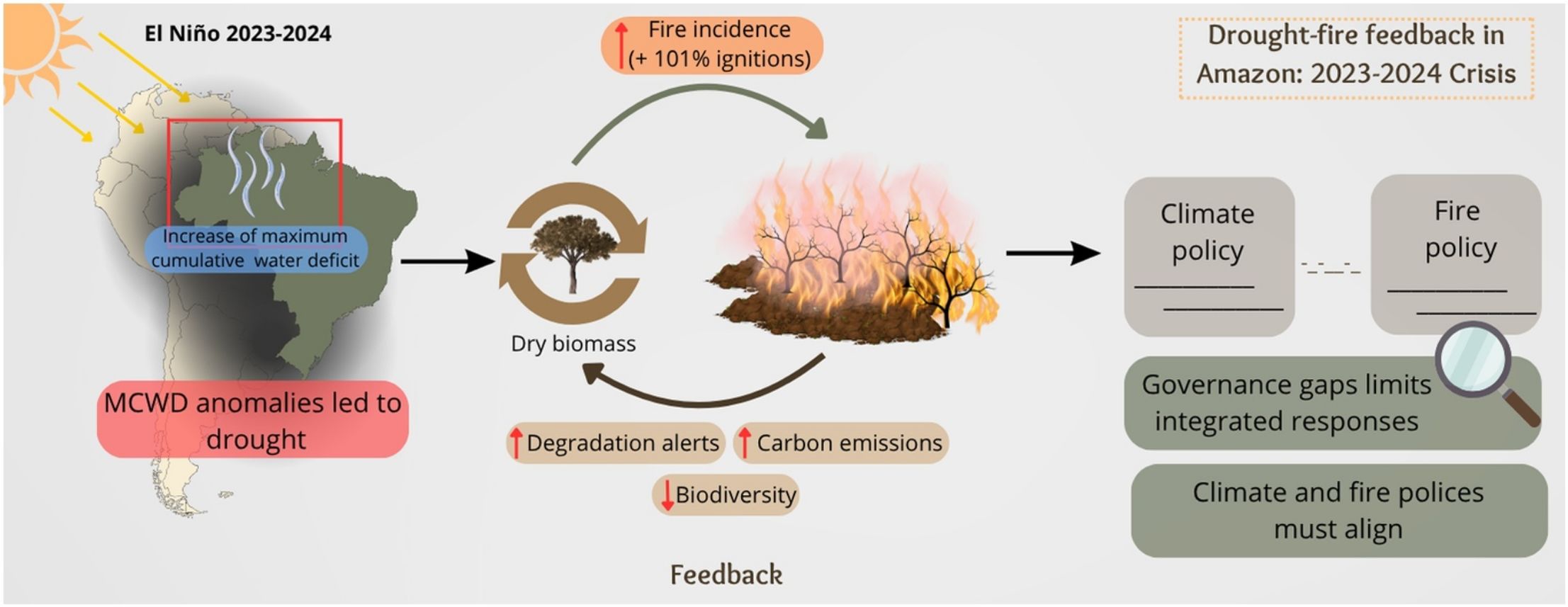
Intensification of drought-associated wildfires challenges actions for Amazonia’s sustainable development
Débora Joana Dutra, Igor José Malfetoni Ferreira, Érick Teixeira Rodrigues, Daniel Braga, Breno Izidoro, Guilherme Mataveli, Luiz Eduardo Oliveira e Cruz de Aragão, Liana Oighenstein Anderson
Perspectives in Ecology and Conservation. 2026;24:146-50
2396
Highlights
- •
Drought–fire feedback is accelerating the collapse of the Amazon ecosystem.
- •
Fires are increasingly linked to forest degradation rather than deforestation.
- •
MCWD anomalies reveal a persistent and intensifying drying trend in the Amazon.
- •
Governance gaps hinder Brazil’s capacity to manage drought–fire interactions.
- •
Fragmented climate and fire policies weaken coordinated responses to degradation.
Full text access
2392
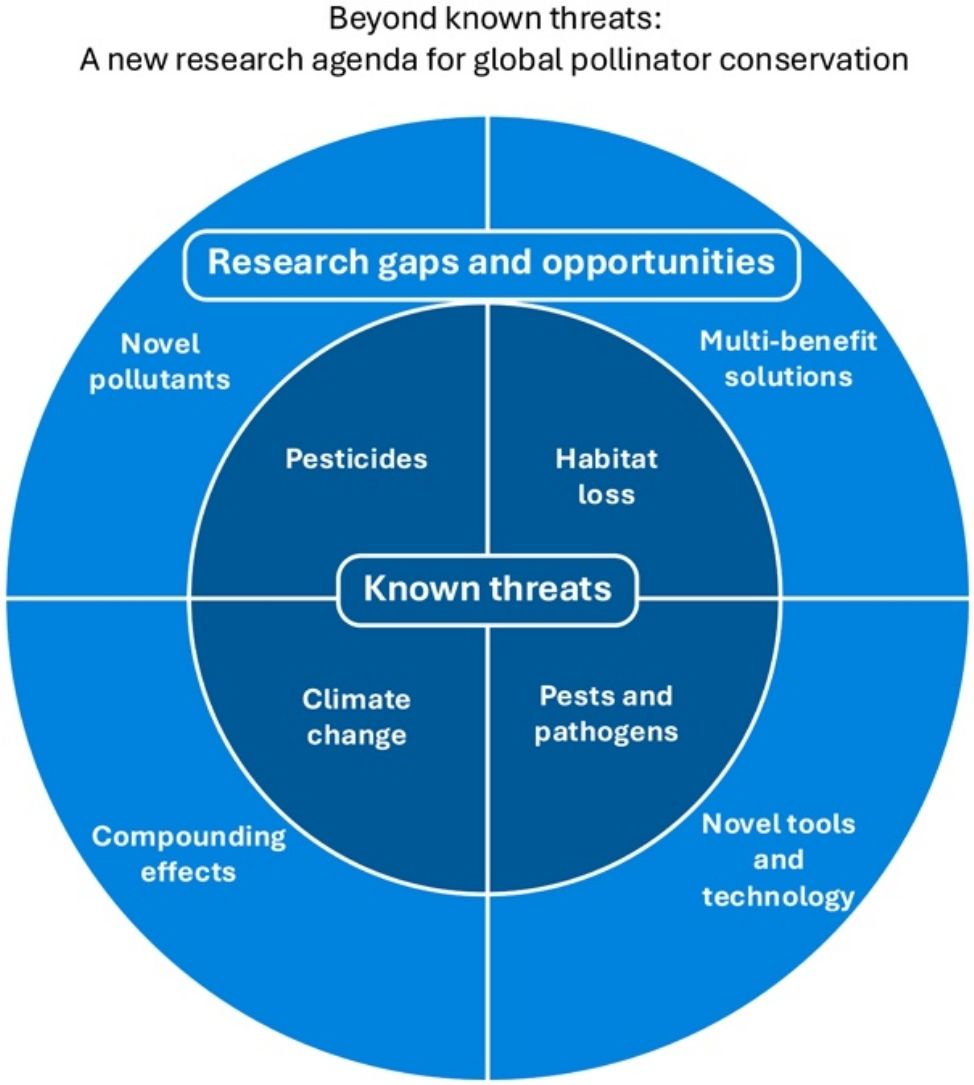
Moving beyond the known: Identifying conceptual gaps, emerging threats, and novel opportunities for global pollinator conservation
Charlotte Howard, Damayanti Buchori, Luísa G. Carvalheiro, Katja Hogendoorn, Shalene Jha, H. Michael G. Lattorff, Hien T. Ngo, Colleen L. Seymour, ... Simon G. Potts
Perspectives in Ecology and Conservation. 2026;24:247-52
2392
Highlights
- •
Emerging pollutants pose new global risks to pollinators.
- •
Compounding stressors amplify existing pollinator declines.
- •
Novel technologies enable rapid, non-destructive monitoring.
- •
Integrating pollinators into land use yields co-benefits.
- •
Early action on emerging threats can guide conservation policy.
Full text access
2321
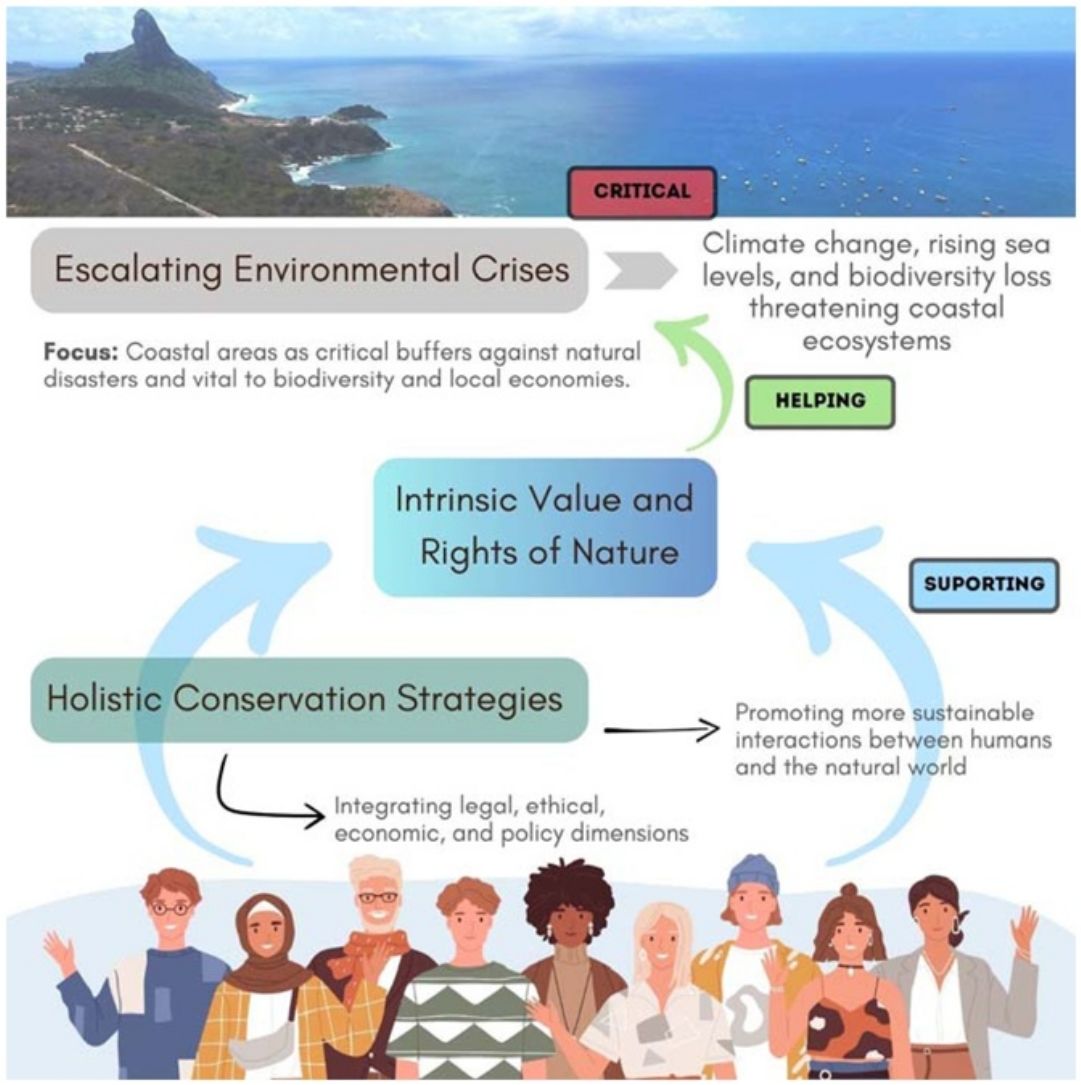
Nature's rights for threatened tropical coasts
Stephannie Fernandes, Thiago B.A. Couto, Geraldo W. Fernandes, Angelo F. Bernardino, Cecília G. Leal, José Amorim Reis-Filho, Marcelo Oliveira Soares, Clinton N. Jenkins, ... Tommaso Giarrizzo
Perspectives in Ecology and Conservation. 2026;24:129-34
2321
Highlights
- •
Marine ecosystems are increasingly threatened by climate change, rising sea levels and coastal infrastructure development.
- •
PEC 3/2022 aims to reform the Brazilian Law to transfer ownership of part of the coastal areas, currently under federal jurisdiction, to the Brazilian states and municipalities.
- •
Public opposition to PEC 3/2022 has been surprisingly strong in comparison to other antienvironment regulations proposed recently.
- •
Amid these legal and political debates, the Rights of Nature (RoN) framework emerges as a potential tool for strengthening marine ecosystem protection.
- •
RoN implementation requires more than legal reform: it needs broad coalitions, including public mobilization and democratic engagement.
Full text access
2191
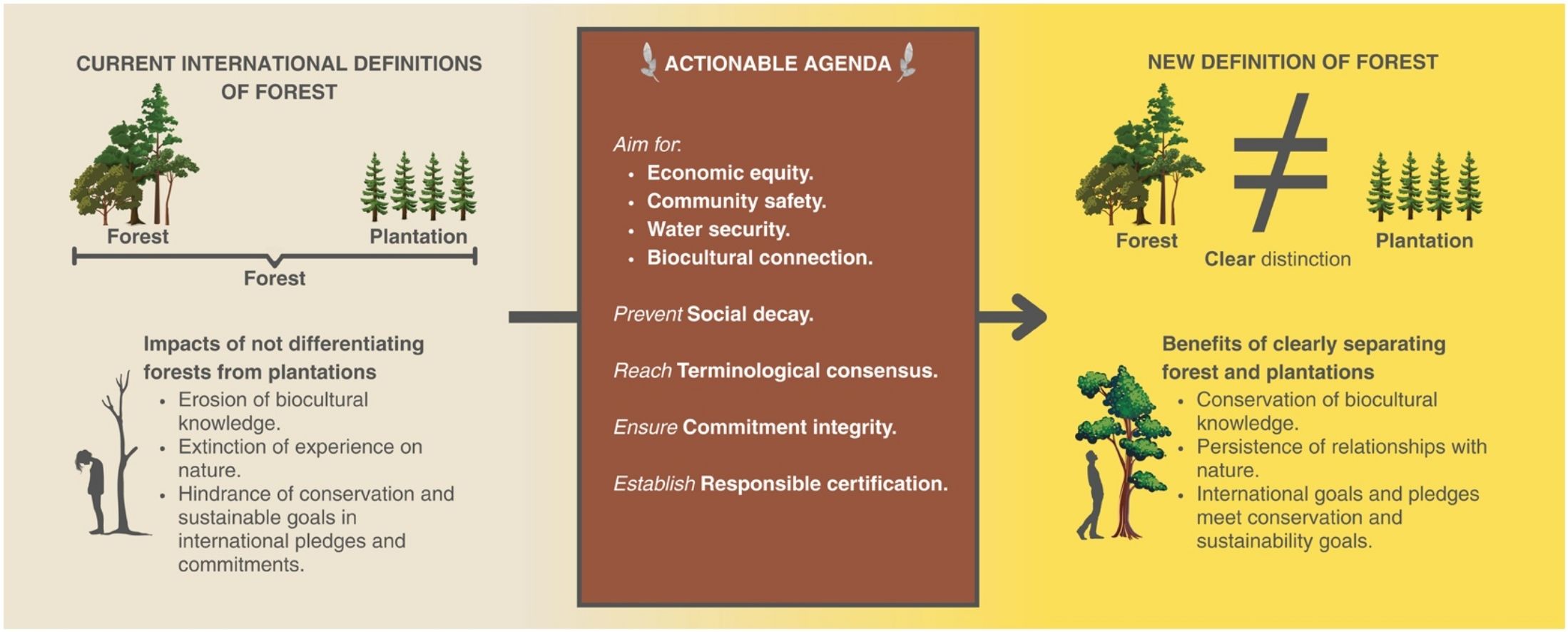
A call to restore the value of forests: refining definitions of tree-dominant ecosystems for social wellbeing
Rocío Contreras-Abarca, Silvio J. Crespin, Iván A. Díaz
Perspectives in Ecology and Conservation. 2026;24:106-12
2191
Highlights
- •
Understanding plantations as forests damages culture, knowledge and human wellbeing.
- •
Unclear demarcation between forests and plantations hinders conservation commitments.
- •
We present an actionable agenda to prevent the impacts of unclear forest definitions.
- •
Multi-scale systemic changes are necessary to safeguard social wellbeing.
- •
We propose a definition that clearly discerns forests from plantations.
Full text access
2191
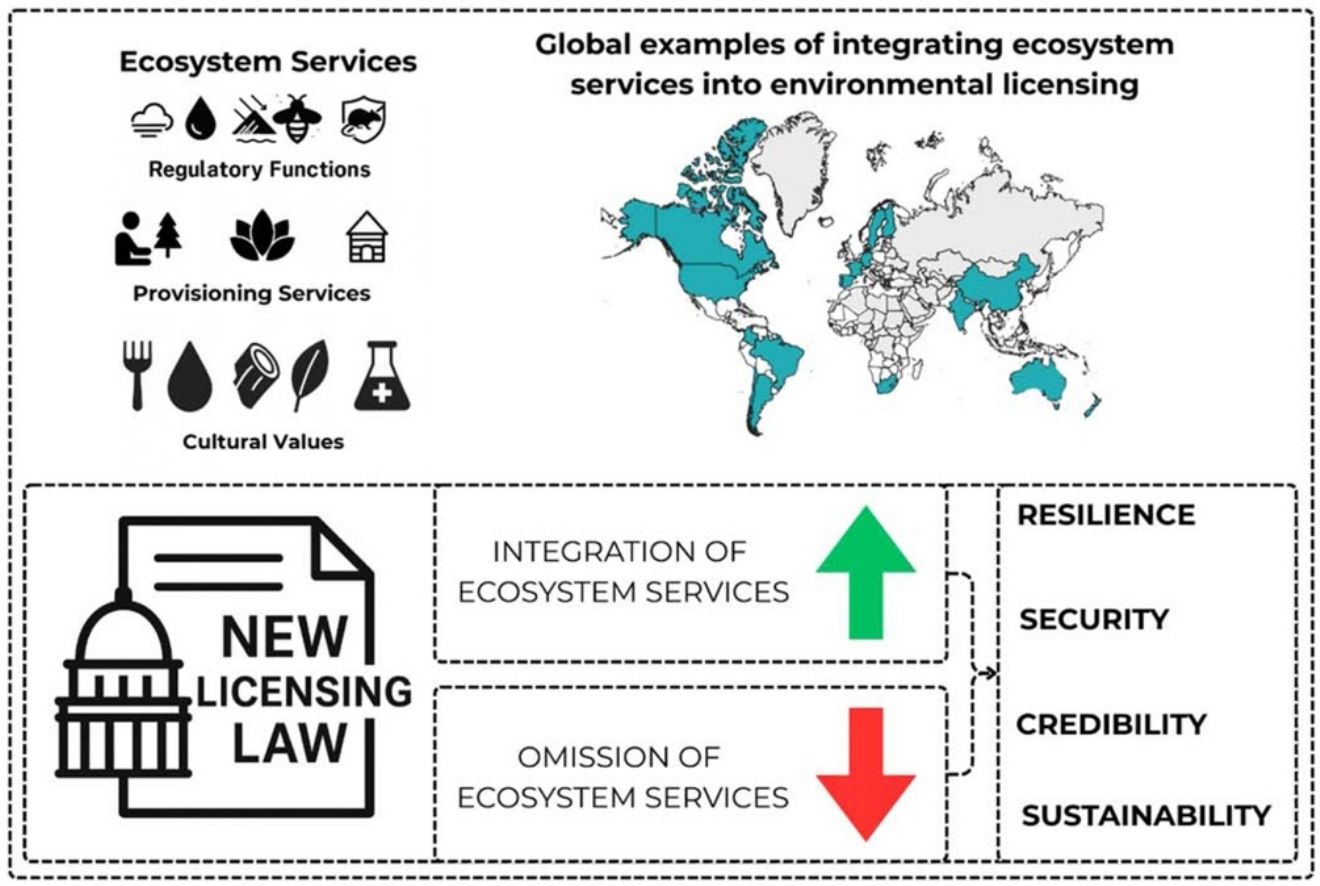
Setback for sustainability: Brazil’s new licensing law threatens climate and biodiversity goals
Thiago Serrano de Almeida Penedo, Kayna Agostini, André Rodrigo Rech, António Mauro Saraiva, Blandina Felipe Viana, Carlos Alfredo Joly, Danilo Boscolo, Isabela Galarda Varassin, ... Leandro Freitas
Perspectives in Ecology and Conservation. 2026;24:287-93
2191
Highlights
- •
New licensing law omits ecosystem services from impact assessment, weakening environmental safeguards in Brazil.
- •
Omission raises socioecological risks and resource insecurity.
- •
We call for mandatory ecosystem services integration in licensing and impact assessment.
- •
Global climate and biodiversity commitments should issue binding guidance to align national laws.
- •
Ecosystem services integration is feasible and improves decision-making.
Full text access
2159
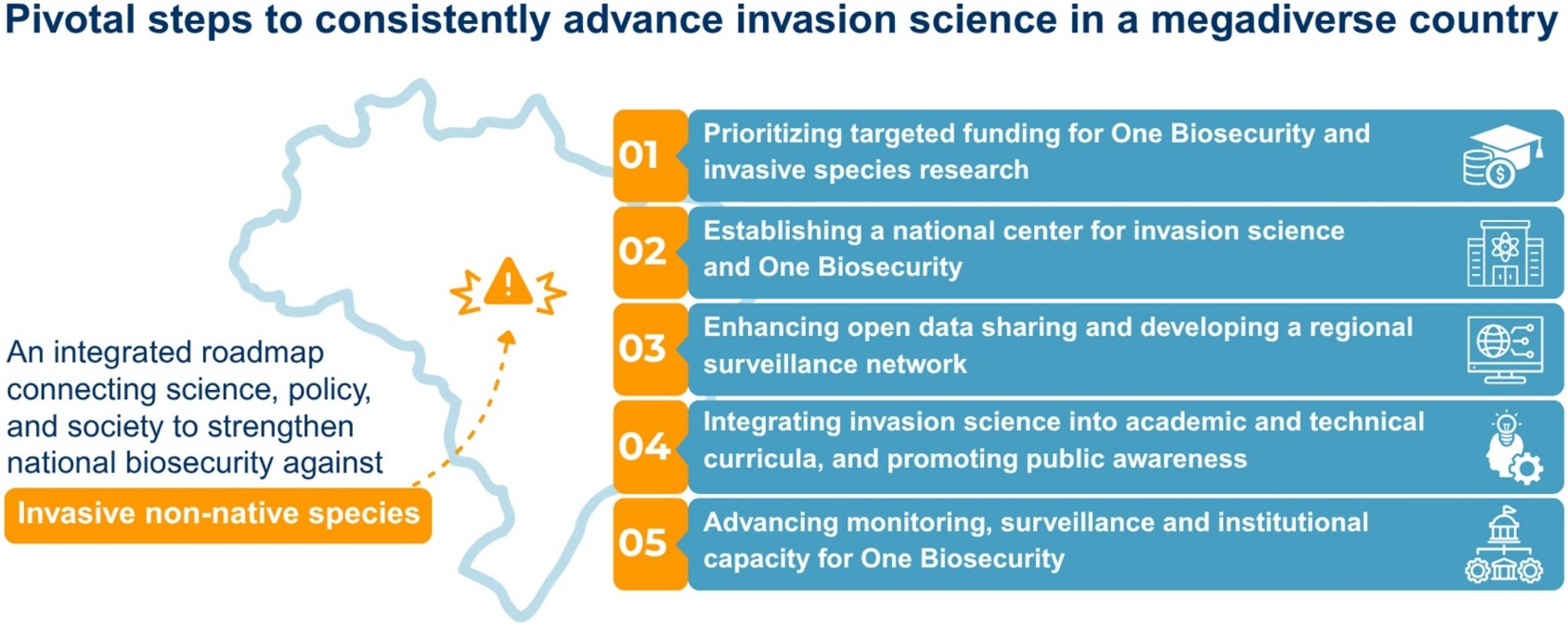
Pivotal steps to consistently advance invasion science in a megadiverse country
Ana Clara Sampaio Franco, Fernando Gertum Becker, Marcelo Fulgêncio Guedes Brito, Alessandra Fidelis, Anaclara Guido, Rafael Lacerda Macêdo, Thaisa Sala Michelan, Gerhard Ernst Overbeck, ... Michele S. Dechoum
Perspectives in Ecology and Conservation. 2026;24:7-12
2159
Highlights
- •
Advance in invasion science is needed considering the mounting cross-cutting impacts
- •
Aligning with global frameworks would foster coordinated national response
- •
A national center would bridge science, policy, and management gaps
- •
Open data sharing and early detection are critical to reduce response delays
- •
Education and public engagement are key to long-term biosecurity capacity
Full text access
2144
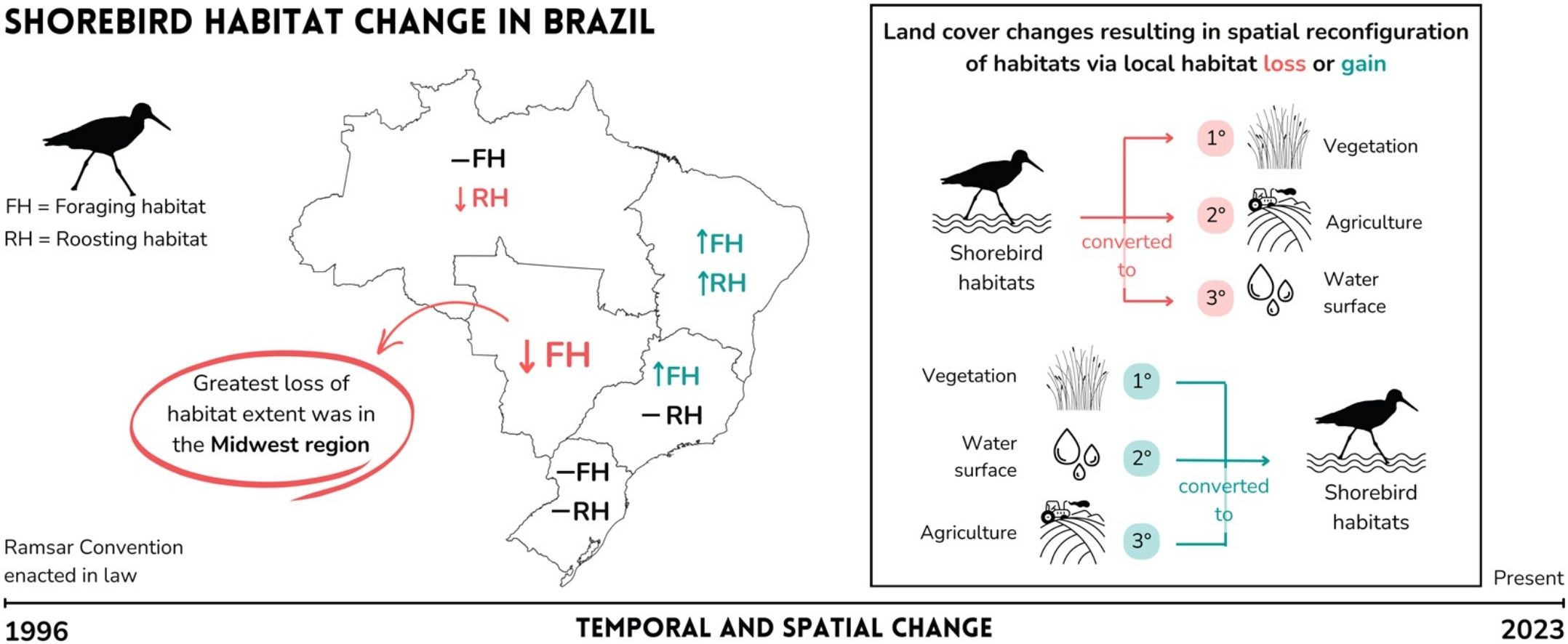
Spatial and temporal changes in the amount of shorebird foraging and roosting habitats in Brazil
Laura Facci Torezan, José Carlos Morante-Filho
Perspectives in Ecology and Conservation. 2026;24:166-74
2144
Highlights
- •
A sharp loss of shorebird foraging habitat was detected in Brazil’s Midwest region.
- •
The conversion from wet to dry ecosystems was the primary cause of habitat loss.
- •
Consistent spatial reconfiguration occurred in habitats of all Brazilian regions since 1996.
- •
Assessing only the total habitat area masks important spatial patterns of change.
Full text access
2086
Moving towards coexistence: Integrating social and ecological indicators to assess human-jaguar conflict mitigation in southern Mexico
J. Antonio de la Torre, Daniel Monzón, Crystell Rosas, Carlos Samayoa, Paulina Arroyo-Gerala, José F. González-Maya
Perspectives in Ecology and Conservation. 2026;24:199-206
2086
Highlights
- •
Well-planned, context-sensitive targeted interventions fostered coexistence in high human-jaguar conflict areas of southeastern Mexico.
- •
Cost-effective mitigation measures significantly reduced jaguar predation on livestock, offering a practical, economical solution.
- •
Rancher acceptance of jaguars increased following the interventions, shifting attitudes crucial for long-term coexistence.
Full text access

2054
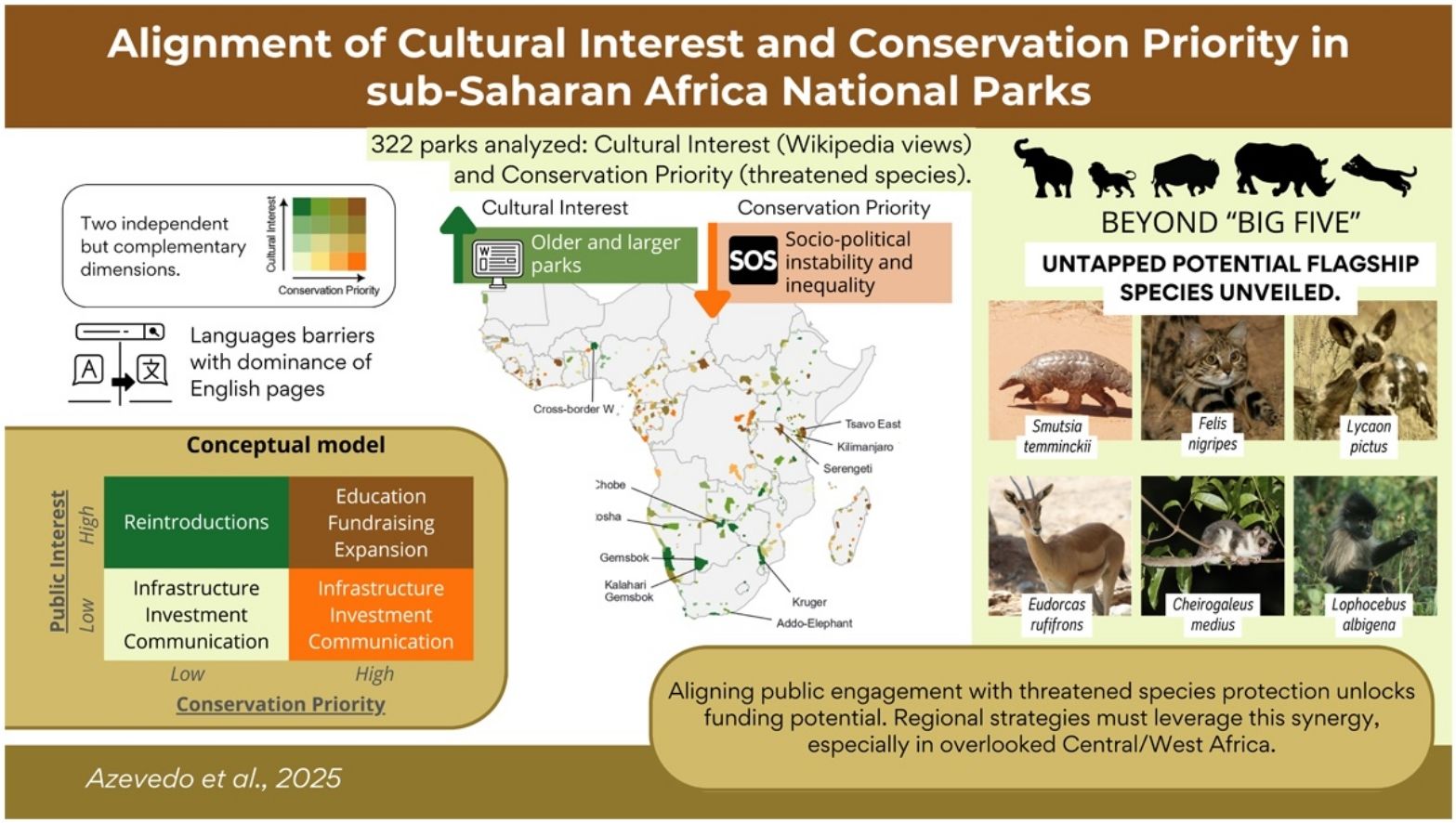
Alignment of Cultural Interest and Conservation Priority in sub-Saharan Africa National Parks
Karoline Azevedo, Joaquín Hortal, Fernanda Alves-Martins, Patience Gandiwa, Michel Masozera, Ana C.M. Malhado, Richard J. Ladle
Perspectives in Ecology and Conservation. 2026;24:79-86
2054
Highlights
- •
Cultural Interest and Conservation Priority shape African parks in distinct ways.
- •
Older, larger parks attract more attention; inequality lowers conservation focus.
- •
Overlooked Central and West African parks may gain from culture-ecology alignment.
- •
Pangolins and red gazelle offer untapped conservation flagships beyond the iconic Big Five.
Full text access
1987
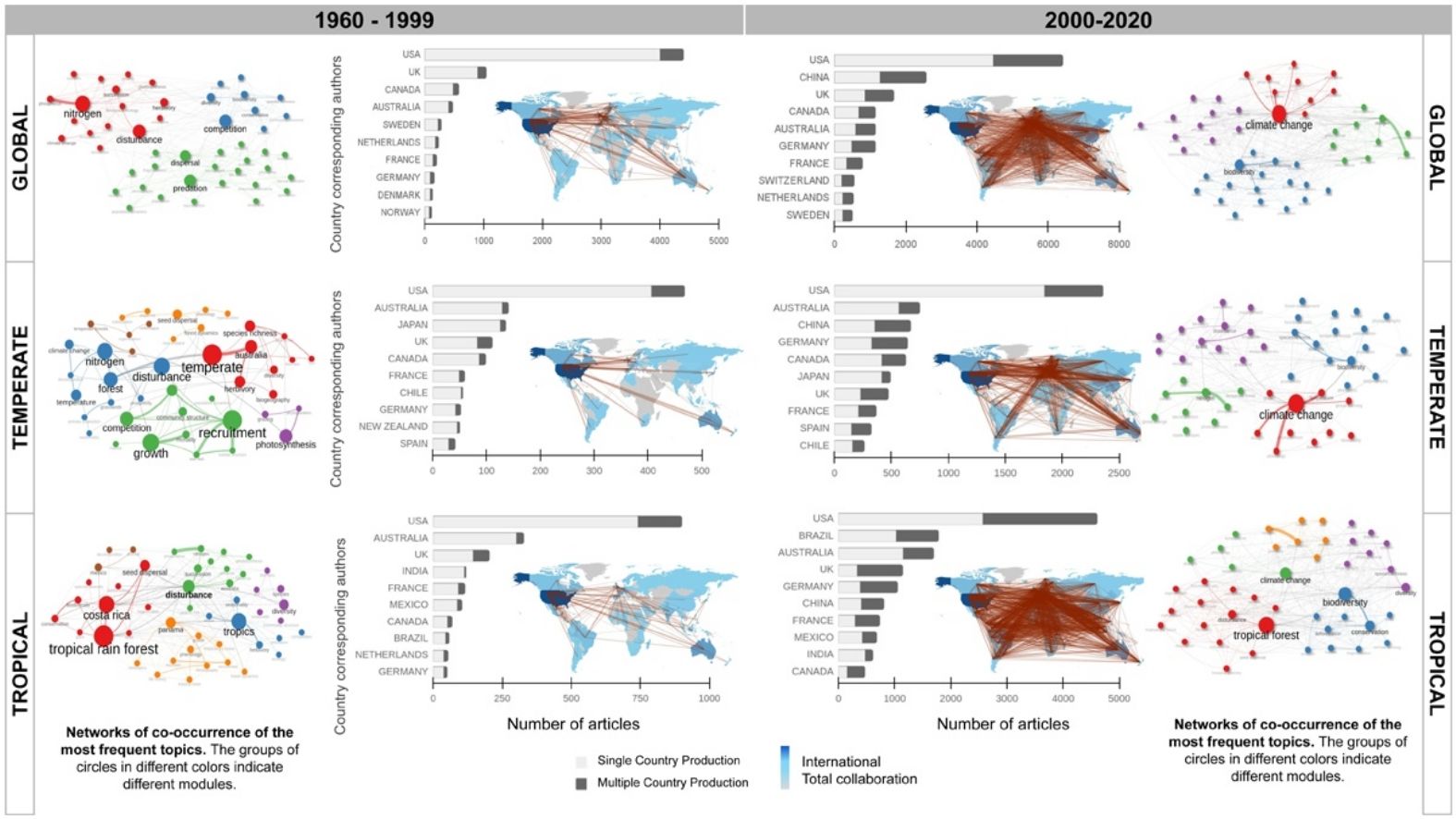
Tropical and temperate ecology: How historical geopolitical relations have influenced the structure of knowledge
María Clerici Hirschfeld, Carlos Roberto Fonseca
Perspectives in Ecology and Conservation. 2026;24:97-105
1987
Highlights
- •
We compare tropical and temperate ecology through a scientometric analysis of approximately 500,000 articles.
- •
The pattern of collaborations and authorship reveals the consequences of historical geopolitical relations.
- •
The BRICS countries play a prominent role in tropical and global ecological research in the 21st century.
- •
Temperate and tropical ecology have different conceptual structures.
- •
We demonstrated the existence of a temperate bias in ecology.
Full text access
1969
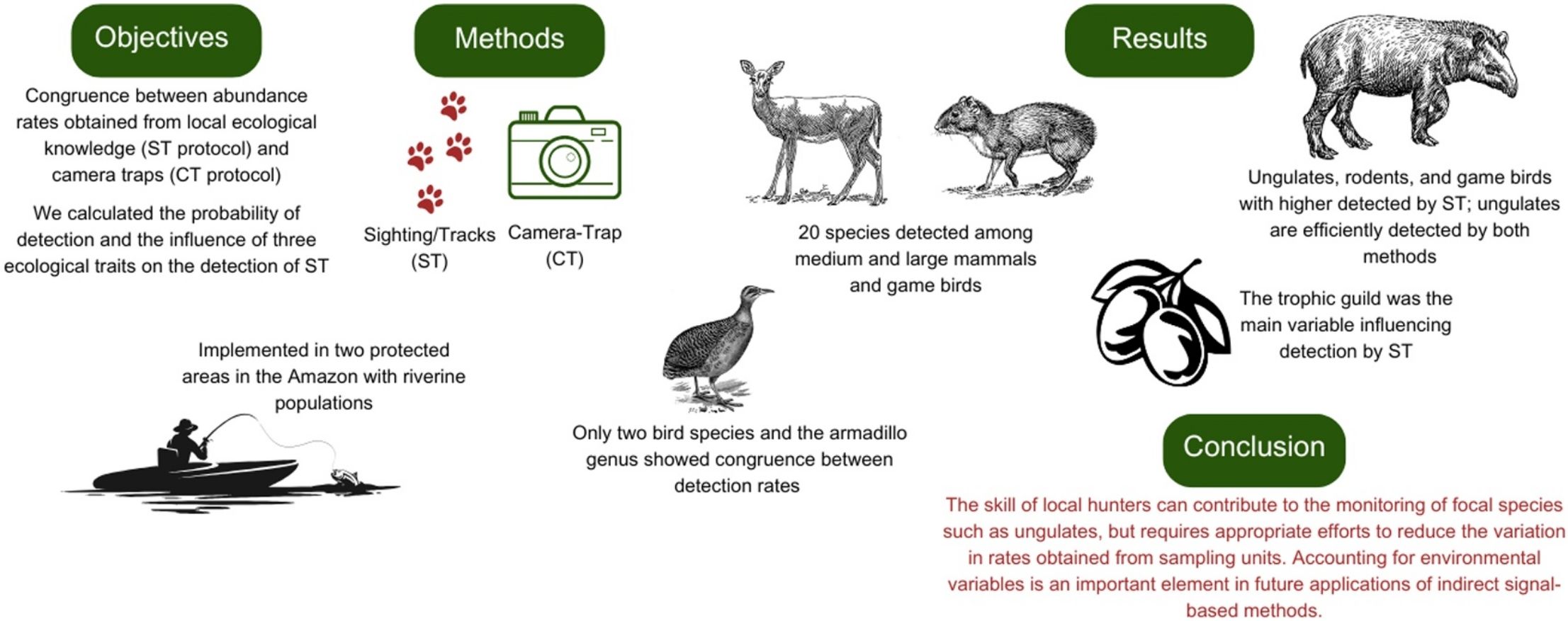
Comparing local ecological knowledge and camera traps to estimate the abundance of mammals and game birds in the Eastern Amazon
Otávio Augusto Pereira Leão-Vulcão, Francesca Belem Lopes Palmeira, Elildo Alves Ribeiro de Carvalho Junior, Juarez Carlos Brito Pezzuti
Perspectives in Ecology and Conservation. 2026;24:113-9
1969
Highlights
- •
The use of signs and tracks can detect ungulate species as efficiently as camera traps.
- •
Common species such as deer and agouti are detected efficiently by both methods.
- •
Body mass and sociability have little influence on the detection of mammals and birds by local hunters.
- •
Signals can contribute to monitoring species with large home ranges and vagility, such as the White-lipped Peccary.
- •
The use of signals requires greater sampling effort to reduce variation in detection rates.
Full text access


Publish in
Perspectives in Ecology and Conservation
