Journal Information

Most often read

4331
Ensuring the quality of historical data for wildlife conservation: A methodological framework
Norma I. Díaz, Paulo Corti
Perspectives in Ecology and Conservation. 2025;23:32-8
4331
Highlights

  • Written historical records are crucial for enhancing wildlife knowledge.

  • Significant limitations and biases are detected in historical sources.

  • A seven-step process is provided to enhance the accuracy and reliability of historical information.

  • This approach improves the efficiency and effectiveness of conservation research.

Full text access
4230
Climate change and biodiversity in Brazil: What we know, what we don’t, and Paris Agreement’s risk reduction potential
Artur Malecha, Stella Manes, Mariana M. Vale
Perspectives in Ecology and Conservation. 2025;23:77-84
4230
Highlights

  • We synthesize knowledge on the impacts of climate change on Brazil’s biodiversity.

  • The greatest predicted impact is in the Pantanal, and the lowest in the Pampa.

  • There are still large knowledge gaps due to spatial and taxonomic biases in studies.

  • Paris Agreement could reduce impacts by 21% and cut extinction risk by half.

Full text access
2966
Belo Monte Dam impacts: Protagonism of local people in research and monitoring reveals ecosystem service decay in Amazonian flooded vegetation
A. Quaresma, G. Zuquim, L.O. Demarchi, C.C. Ribas, F. Wittmann, A.M. Assunção, C.C Carneiro, P.P. Ferreira, ... R. Cruz e Silva
Perspectives in Ecology and Conservation. 2025;23:39-50
2966
Highlights

  • Belo Monte Dam diverted water from Xingu River, drastically reducing the high-water season.

  • This triggered an Independent Monitoring of flooded forests led by Xingu inhabitants.

  • Monitoring provided evidence of ecosystem services decay in flooded forests.

  • Some examples are high vegetation mortality, invasive species, and phenological disruption.

  • Current hydrological conditions are threatening the environment and people's livelihoods.

Full text access
2932
High-diversity Atlantic Forest restoration plantings fail to represent local floras
Crislaine de Almeida, J. Leighton Reid, Renato A. Ferreira de Lima, Luis Fernando Guedes Pinto, Ricardo Augusto Gorne Viani
Perspectives in Ecology and Conservation. 2025;23:6-11
2932
Highlights

  • Forest restoration plantings have lower beta diversity than remnant forests.

  • Plantings are more floristically similar to one another than to regional forests.

  • Trees planted to restore the Atlantic Forest poorly represent local floras.

Full text access
2910
Birds in agroscapes: effects of forest cover and landscape heterogeneity on dryland bird diversity and composition
Mônica da Costa Lima, Fredy Alvarado, Helder F.P. de Araujo
Perspectives in Ecology and Conservation. 2025;23:12-8
2910
Highlights

  • α and β-diversity of birds is mainly influenced by forest cover.

  • Landscape heterogeneity is important for generalist and open-habitat bird species.

  • The heterogeneity of landscapes on productive land fosters the conservation of biodiversity.

  • Agricultural landscapes must conserve native habitat and diversify crops.

Full text access
2833
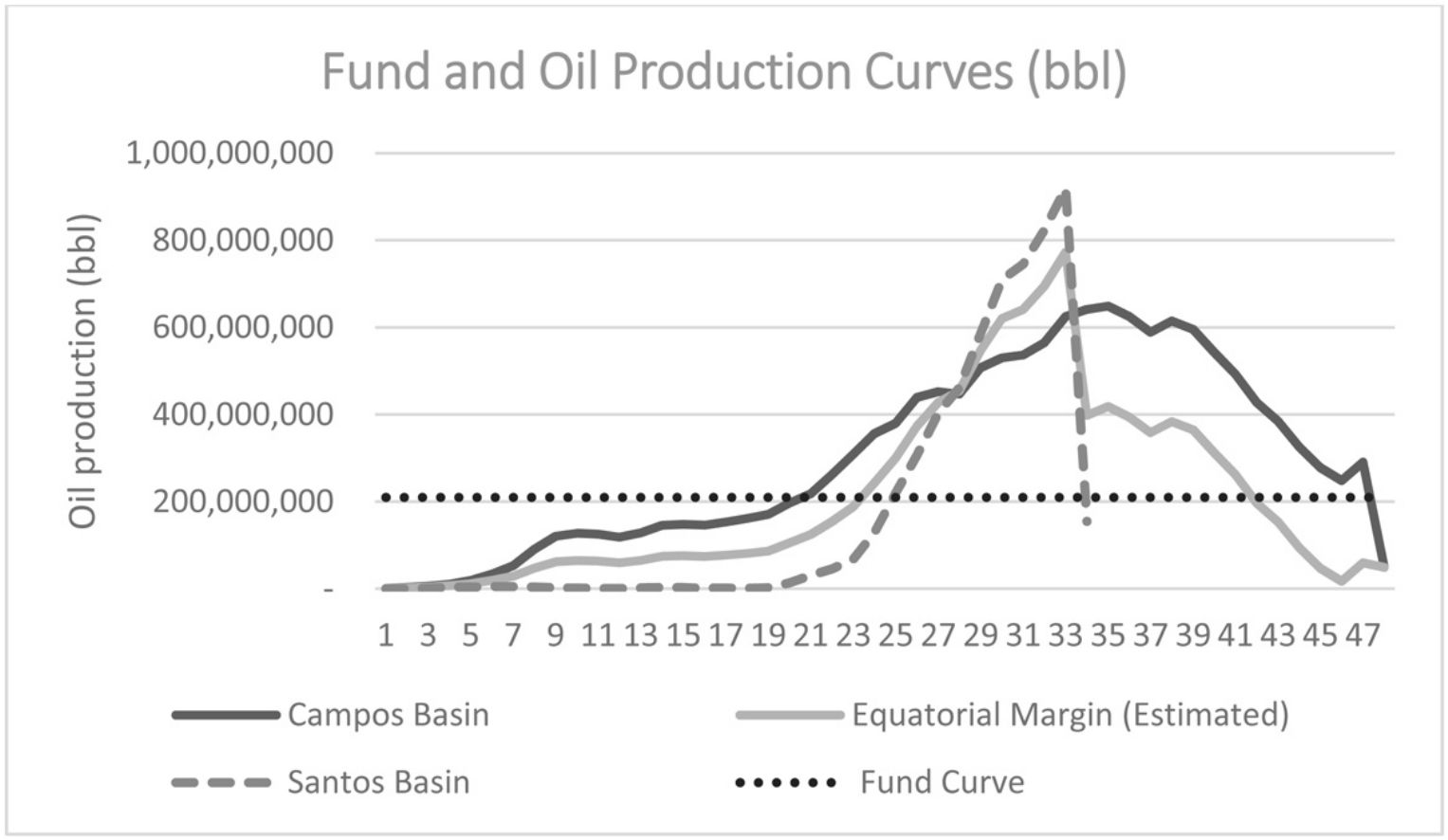
Green royalties: Keeping offshore Amazon free of oil
André L. Guimarães, Álvaro M. Batista, Yuri Telles, Anna C.F. Aguiar, Fabio R. Scarano, Paulo Moutinho
Perspectives in Ecology and Conservation. 2025;23:70-6
2833
Highlights

  • Brazilian Amazon offshore is potentially becoming a new frontier for oil exploration.

  • This contradicts national and global pledges to fight planetary crises.

  • Sub-national governments often rely on the consequent distribution of oil royalties.

  • We propose that this is replaced by a Green Royalty Fund of USD 19.9–33.1 billion.

  • Implementation would align with local and global biodiversity and climate pledges.

Full text access
2812
What is the role of fire in rewilding? Synthesising peer-reviewed literature into four thematic discourses
Francisco Navarro-Rosales, Chloë Strevens, Immaculada Oliveras Menor
Perspectives in Ecology and Conservation. 2025;23:51-9
2812
Highlights

  • Biodiversity conservation through rewilding should recognise the importance of fire.

  • Opinions on the role of fire in rewilding can be synthesised into four discourses.

  • Discourses consistently reappear in the expanding body of peer-reviewed literature.

  • Common themes imply integrating fire management and rewilding has strong potential.

  • Moving forwards requires addressing rewilding definitions and context dependence.

Full text access
2786
Passando a boiada: degazettement and downsizing threaten protected areas in the Brazilian Amazon
Domingos de Jesus Rodrigues, Thadeu Sobral-Souza, Tiago Shizen Pacheco Toma, Aretha Franklin Guimaraes, Thiago Junqueira Izzo, Marcos Penhacek, Flávia Rodrigues Barbosa, Neucir Szinwelski, ... Philip Martin Fearnside
Perspectives in Ecology and Conservation. 2025;23:1-5
2786
Highlights

  • Biodiversity conservation requires the protection and maintenance of protected areas

  • Protected areas store carbon and regulate ecosystem processes

  • Protected areas prevent deforestation and conserve ecosystems and biodiversity

Full text access
2771
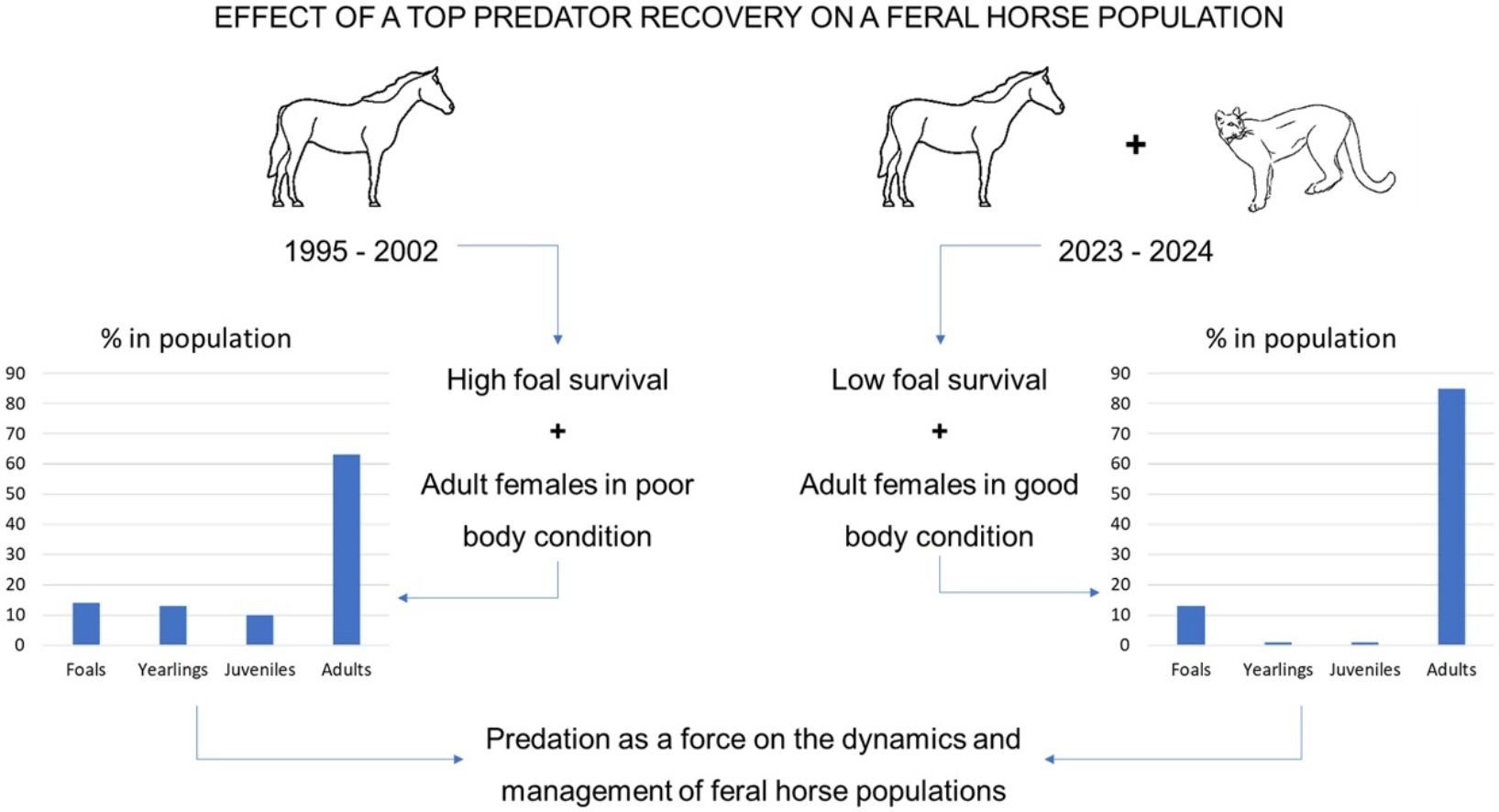
The comeback of a top predator and its effects on a population of feral horses
Franco Bostal, Alberto L. Scorolli, Sergio M. Zalba
Perspectives in Ecology and Conservation. 2025;23:121-9
2771
Highlights

  • Growth rate of an Argentinian feral horse population stabilizes in association with puma recovery.

  • Foal survival was four times lower in presence of a predator.

  • The loss of foals allowed adult females to achieve better body condition.

  • Top predators may have positive implications for the management of feral herbivores.

  • This study is the first to document pumas as natural regulators of feral horse populations in South America.

Full text access
2669
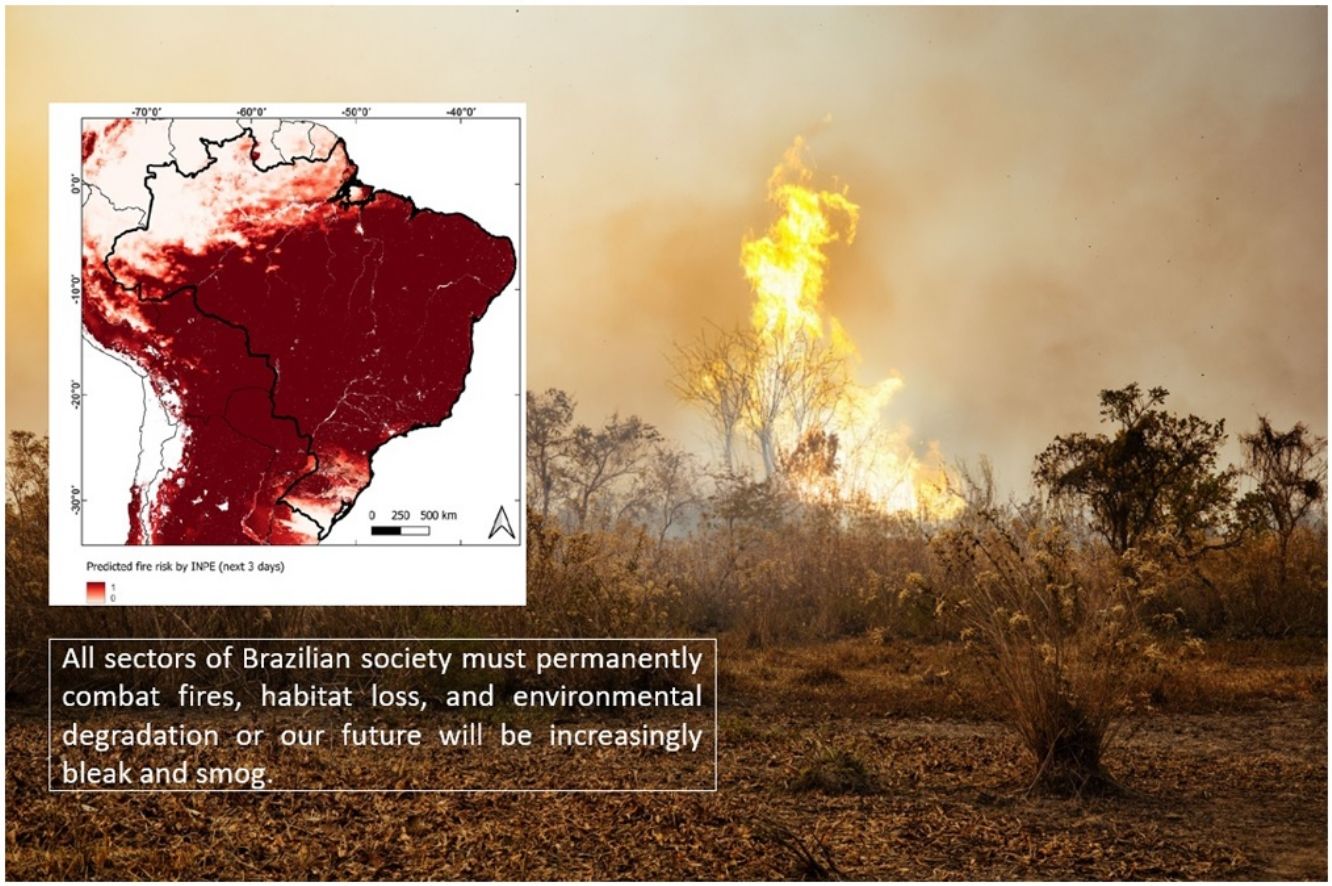
Wildfires and their toll on Brazil: Who's counting the cost?
Ernandes Sobreira, Wilkinson Lopes Lázaro, Breno Dias Vitorino, Angélica Vilas Boas da Frota, Carlos Eduardo Frickmann Young, Derick Victor de Souza Campos, Cleverson Ricardo Soares Viana, Edvagner de Oliveira, ... Juliano A. Bogoni
Perspectives in Ecology and Conservation. 2025;23:214-7
2669
Highlights

  • Wildfires in Brazil cause billion-dollar losses, harming biodiversity, health, and the economy.

  • Wildfire spreads toxic smoke across South America, straining the healthcare system.

  • Wildfires cause massive biodiversity loss, and we barely know how to measure it.

  • Despite substantial economic losses in tropical habitats, the Global South remains a low priority.

Full text access
2616
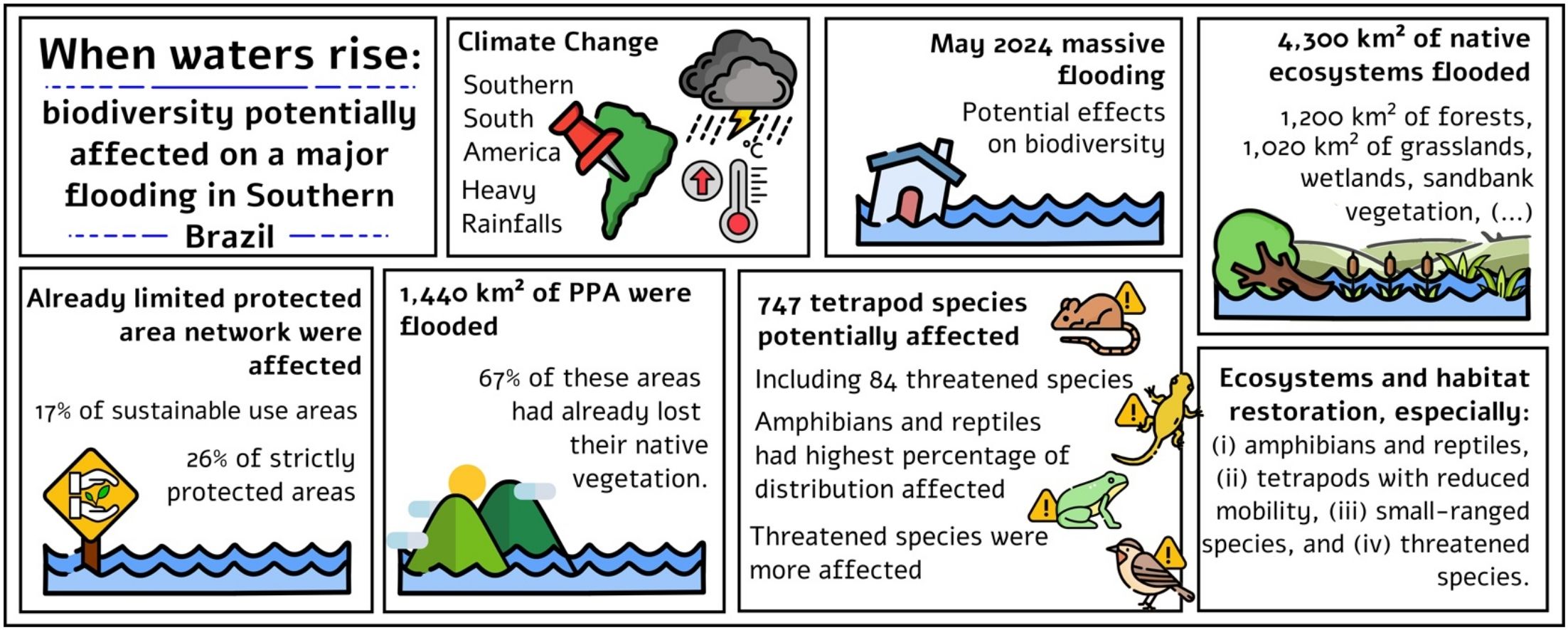
When waters rise: Biodiversity potentially affected on a major flooding in Southern Brazil
Daniela Oliveira de Lima, Fabrício Luiz Skupien, Alonso Moscon, Marcelo de Moraes Weber
Perspectives in Ecology and Conservation. 2025;23:183-90
2616
Highlights

  • Major flooding in Southern Brazil affected 4,300 km² of native ecosystems.

  • PAs were heavily impacted, with 825 km² affected by the flooding (∼21% of total PAs).

  • Over 1,440 km² of Permanent Preservation Areas were flooded, 67% lacked native cover.

  • 747 tetrapod species were potentially affected, including 84 threatened species.

  • Threatened species were greatly impacted, requiring urgent conservation actions.

Full text access
2601
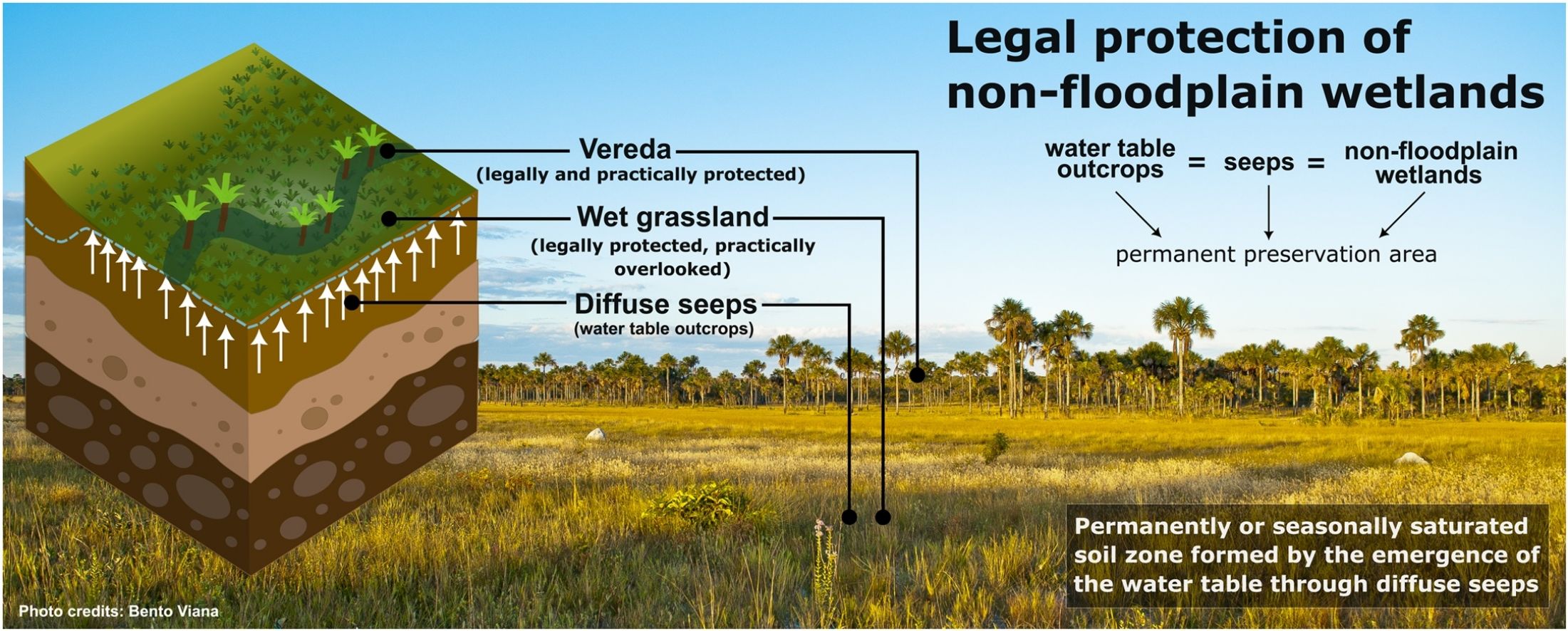
Legally protected, practically overlooked: The neglect of diffuse seeps in the conservation of Cerrado non-floodplain wetlands
Alessandra Bassani, Natashi A.L. Pilon, Franciele Parreira Peixoto, Caio R.C. Mattos, Fernando A.O. Silveira, Luciano Soares da Cunha, Rafael S. Oliveira
Perspectives in Ecology and Conservation. 2025;23:151-6
2601
Highlights

  • Non-floodplain wetlands form where groundwater emerges to the surface, forming seeps.

  • Cerrado’s non-floodplain wetlands are key for regional and continental water security.

  • Brazil faces challenges to identify and protect diffuse seeps in wetlands.

  • Despite existing legal protection, Cerrado diffuse seep wetlands face severe threats.

  • Science-policy alignment is key to protecting non-floodplain wetlands effectively.

Full text access
2517
The conservation potential of road verges in the savannas of Brazil: Challenges and opportunities
Monize Altomare, Heraldo L. Vasconcelos, Vagner Santiago do Vale, Imma Oliveras Menor
Perspectives in Ecology and Conservation. 2025;23:19-25
2517
Highlights

  • Cerrado road verges hold 32% of native vegetation.

  • Store 600,000 tons of carbon.

  • Conservation efforts should prioritize law enforcement to protect these areas.

Full text access
2214
From silos to solutions: Navigating transdisciplinary conservation research for early career researchers
Alice J. Twomey, Jayden Hyman, Karlina Indraswari, Maximilian Kotz, Courtney L. Morgans, Kevin R. Bairos-Novak
Perspectives in Ecology and Conservation. 2025;23:26-31
2214
Highlights

  • Global conservation problems often require holistic, transdisciplinary solutions.

  • Transdisciplinary ECRs face major challenges in collaboration and career growth.

  • Current metrics fail to capture the real-world impact of transdisciplinary research.

  • Transforming metrics and recognising transdisciplinary scientists is key.

Full text access
2213
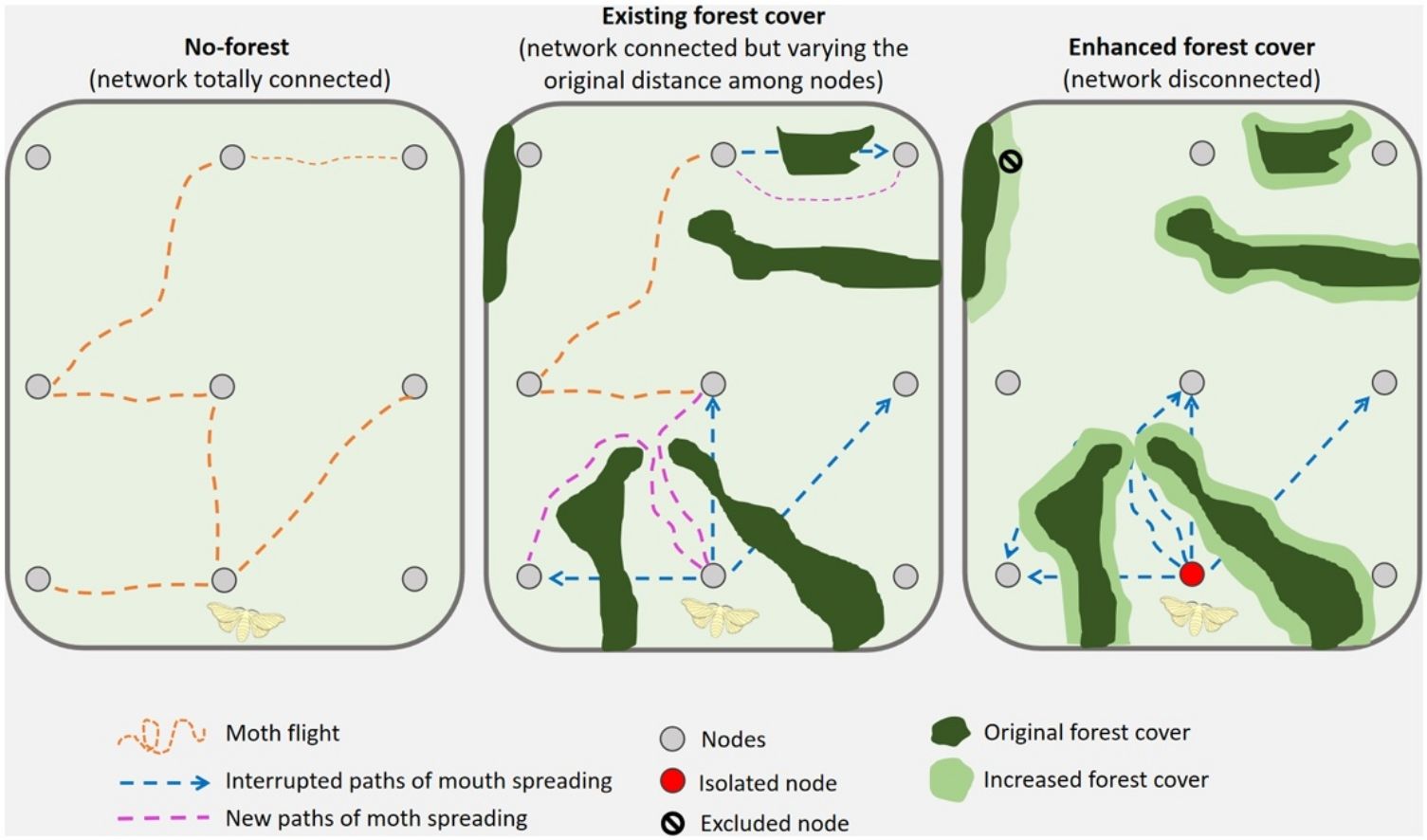
Spatial networks reveal how forest cover decreases the spread of agricultural pests
Débora C. Rother, Leandro G. Cosmo, Julia Tavella, Fredric M. Windsor, Mariano Devoto, Darren M. Evans, Paulo R. Guimarães Jr.
Perspectives in Ecology and Conservation. 2025;23:93-103
2213
Highlights

  • Increasing forest cover slow down and decrease the number of sites reached by pest.

  • Sites have indirect connections to other sites by several alternative paths.

  • Spatial networks predicted the most susceptible sites in the landscape.

  • Forest cover control pest spreading through the agroecosystem.

  • Spatial networks are a powerful predictive tool to manage the spread of pests.

Full text access
2153
Landscape structure coupled to instream features shape freshwater biodiversity in Cerrado agricultural landscapes
Juliana Silveira dos Santos, Erica Hasui, Fabrício Barreto Teresa, João Carlos Nabout, Karine Borges Machado, Felipe Martello, Ludgero Cardoso Galli Vieira, Rosane Garcia Collevatti
Perspectives in Ecology and Conservation. 2025;23:61-9
2153
Highlights

  • Landscape structure and instream features affect freshwater biodiversity at fine and large spatial scales.

  • Microcrustaceans have been favored by landscapes dominated by crops and pastures.

  • Landscape changes are favoring some biological groups which can lead to freshwater biotic homogenization.

  • The unsustainable expansion of agriculture and livestock activities are compromising freshwater biodiversity and water quality.

Full text access
2118
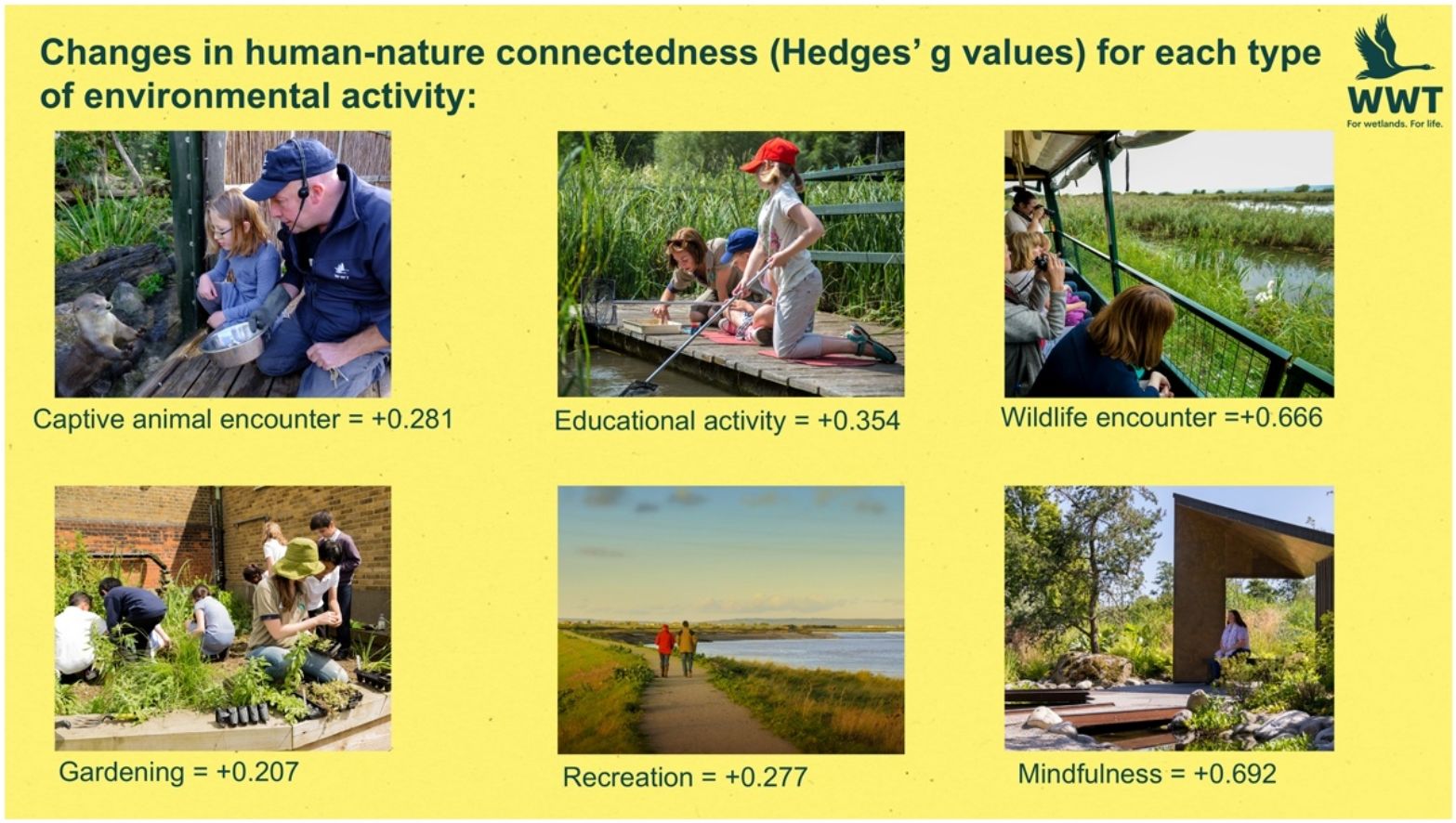
Nature-based activities improve human-nature connectedness: A systematic review and meta-analysis
Kevin A. Wood, Lucy L. Jupe, Ella E. McCutcheon, Cath Cooke, Julia L. Newth
Perspectives in Ecology and Conservation. 2025;23:219-30
2118
Highlights

  • We reviewed changes in human-nature connectedness linked to 6 environmental activities.

  • Human-nature connectedness increased most after mindfulness and wildlife encounters.

  • Human-nature connectedness increased most after activities carried out over 2–7 days.

  • Changes in human-nature connectedness did not vary between adults and children.

  • Activities facilitated by conservation organisations foster human-nature connectedness.

Full text access
2115
Ecosystem functional meltdown through biological annihilation in the world’s ecoregions
José F. González-Maya, I. Mauricio Vela-Vargas, Gerardo Ceballos
Perspectives in Ecology and Conservation. 2025;23:157-64
2115
Highlights

  • Ecosystem function depends on species diversity; effects of species loss on functionality remain unclear.

  • Over 65% of functional diversity in Asia, Europe, and America comes from threatened species.

  • Ecosystems with species at high risk are highly vulnerable to ecological meltdown.

  • Ecological meltdown collapse could drastically affect human lifestyles and global environmental systems.

Full text access
2106
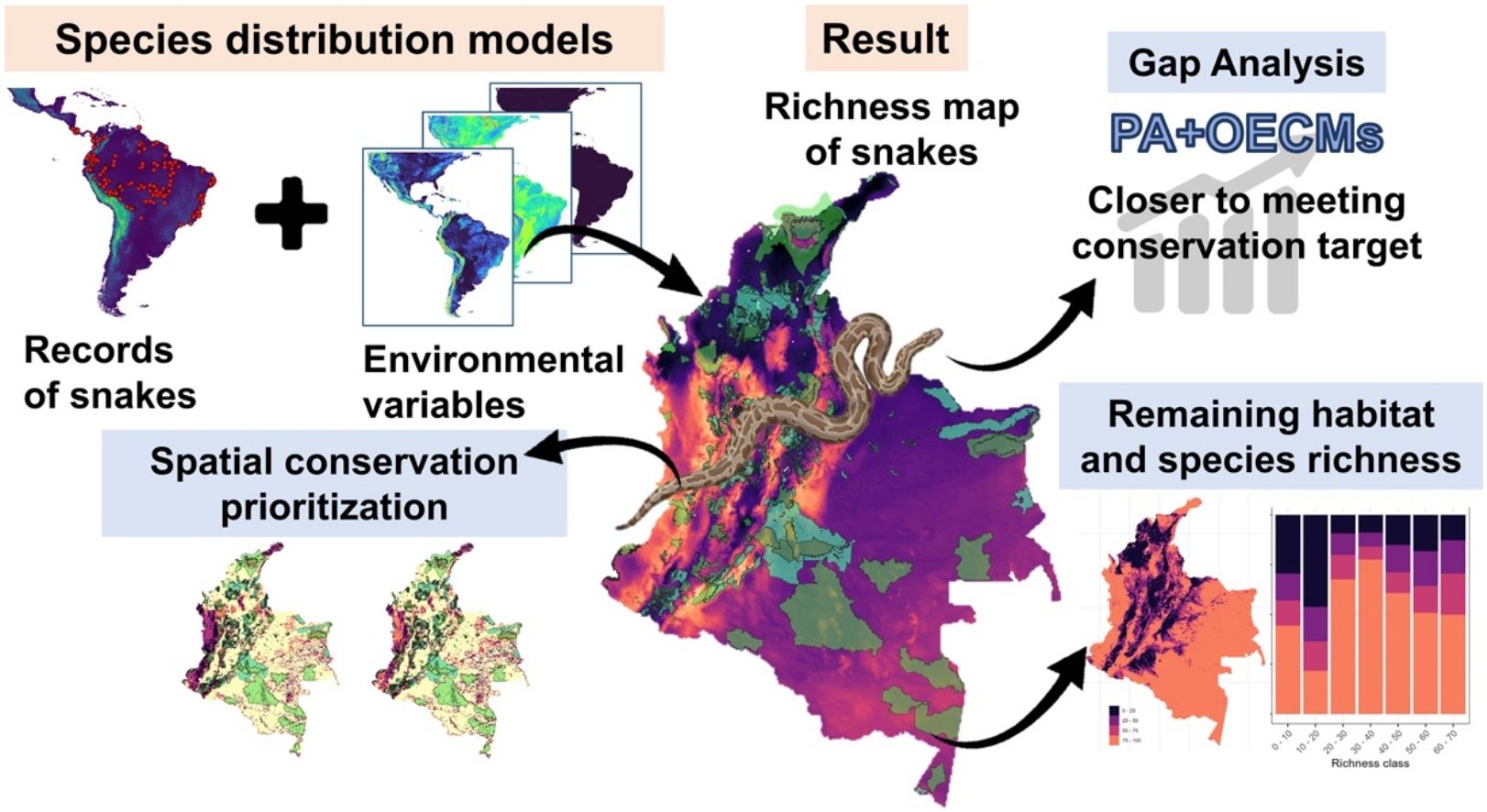
On protected areas and other effective area-based conservation measures to conserve biodiversity. Exploring their contribution to Colombian snakes
Karina Gisell Rey Pulido, Santiago José Elías Velazco
Perspectives in Ecology and Conservation. 2025;23:110-20
2106
Highlights

  • OECMs have recently been implemented in several countries, such as Colombia.

  • 15% of Colombia's snakes geographical range are represented within PAs.

  • OECMs increase the representativeness of snakes and contribute to achieving conservation goals.

  • Most priority areas were concentrated in regions with potential OECMs.

  • OECMs complement the PAs, contributing to the conservation of biodiversity.

Full text access
2105
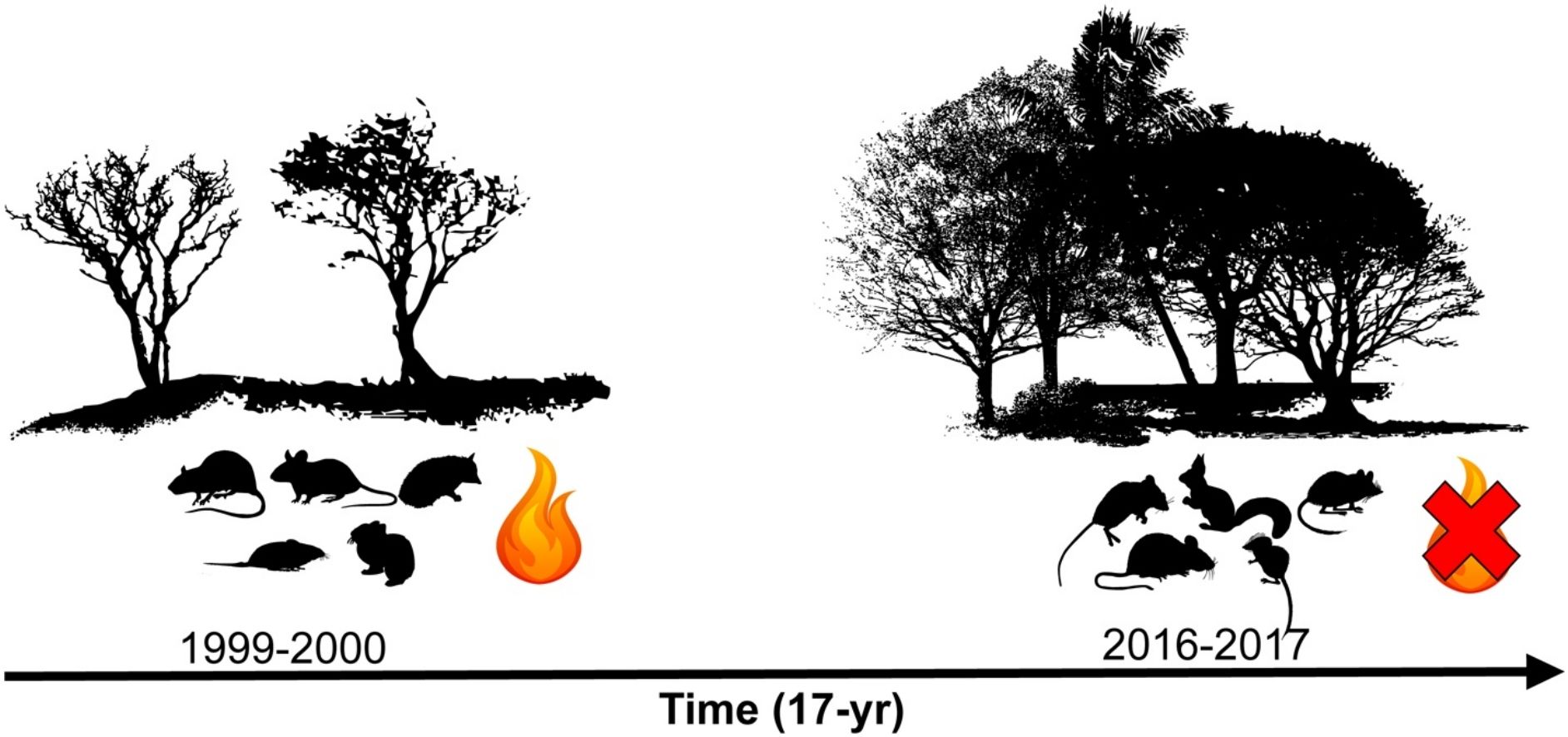
The long-term absence of natural fires restructures the small-bodied mammal assemblages across a Protected Area of Brazilian Cerrado
Marco Rodrigo de Souza, Manoel dos Santos Filho, Mariella Butti de Freitas Guilherme, Juliano A. Bogoni
Perspectives in Ecology and Conservation. 2025;23:165-73
2105
Highlights

  • Natural fires shape local environment and its biota.

  • Small-bodied mammal assemblages tend to homogenization in response to prolonged natural fire absence.

  • Big-fires are arguably disastrous, but the absence of natural fires reassembles the biotas.

  • Further technical discussions about fire management in Cerrado are needed.

Full text access
Perspectives in Ecology and Conservation